
Chargeback Thresholds Merchants Can’t Afford to Cross in 2026
Apr 01, 2026
One bad month can put a healthy merchant on a risk watchlist. Maintaining a healthy chargeback ratio is critical for a stable merchant account. In 2026, chargeback thresholds matter more because Visa lowered a key limit, and acquirers are watching chargeback ratio more closely.
If you sell online, run subscriptions, or process fintech payments, a small spike can turn into fees, reserves, and hard calls with your payment processor. The good news is simple: threshold problems usually start long before the formal warning arrives.
Why 2026 puts more pressure on chargeback thresholds
Think of chargeback thresholds like a speed limit with hidden cameras. You may feel fine until the ticket arrives. By then, the real problem is not one dispute, it’s the pattern behind it.
Card networks like Visa are ramping up enforcement through regulatory programs such as the Visa Dispute Monitoring Program (VDMP). Visa’s main focus is now the VAMP ratio for card-not-present merchants. It combines fraud reports and disputes, then compares that total with total transactions processed. Before April 1, 2026, the excessive line in several regions was higher. Now, in the U.S., Canada, EU, and Asia Pacific, that excessive level drops to 1.5%, and the merchant must also hit 1,500 fraud reports plus disputes in a month. For added context, see this 2026 Visa chargeback rules guide and this Visa chargeback threshold overview.
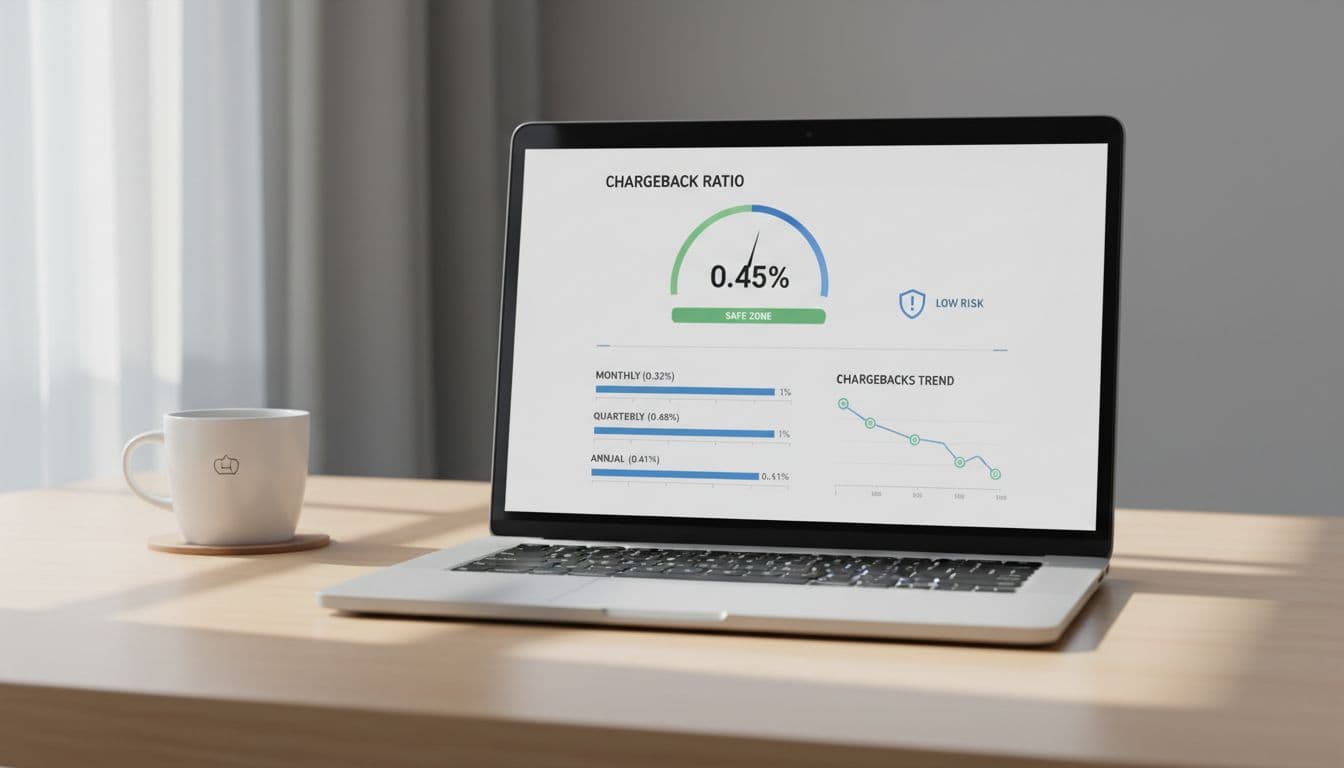
Here is the short version of the 2026 Visa chargeback thresholds and chargeback rates:
| Visa metric in 2026 | Threshold |
|---|---|
| Merchant excessive VAMP ratio | 1.5% |
| Monthly fraud reports plus disputes | 1,500 minimum |
| Acquirer portfolio above standard threshold | 0.5% |
| Acquirer portfolio excessive | 0.7% |
Those last two lines matter more than many merchants realize. Your acquiring bank may pressure you to improve before you hit Visa’s full merchant excessive line. Also, current program guidance indicates that cases resolved through Ethoca, Verifi, RDR, CDRN, and some Compelling Evidence wins may sit outside the VAMP count. Public 2026 updates for the Mastercard Excessive Chargeback Program (ECCP), American Express, and Discover are less clear, so merchants should confirm current triggers with their acquiring bank instead of guessing.
What crossing the line costs merchants
Crossing a threshold rarely feels dramatic on day one. At first, it looks like a few more support tickets, more evidence requests, and extra attention from your processor. Still, the costs pile up fast.
If your business runs 3,000 total transactions in a month, 40 monthly chargebacks puts you at 1.33%. Add 10 more, and you jump to 1.67%. That swing can come from one rough renewal cycle, a delayed batch of shipments, or a billing descriptor customers don’t recognize. Subscription businesses feel this pain even faster because the same issue can repeat across an entire cohort.

Once your chargeback ratio climbs, processors may place you in monitoring plans, increase merchant account reserves, charge extra chargeback fees, or tighten risk rules that hurt approvals. In worse cases, they cap processing volume, pursue account termination, or place you on the MATCH list if the trend doesn’t improve. These 2026 chargeback rate benchmarks show how quickly a merchant can move from “slightly high” to high-risk merchant.
Threshold breaches usually come from repeated small failures, not one big disaster.
There’s also the hidden labor cost. Support teams chase logs. Finance matches refunds. Ops checks tracking and renewal records. Meanwhile, new orders keep flowing in, which makes the leak easy to miss. That’s why this guide on how to keep chargeback rates low focuses on stopping disputes before they become chargebacks that count against your ratio.
How merchants stay below chargeback thresholds without slowing sales
The safest plan is to work on disputes at three points, before checkout, after purchase, and during the pre-dispute window. That means clear billing descriptors and a transparent refund policy to prevent friendly fraud, fast order and renewal notices, easy cancellation, solid fraud prevention with tools like Address Verification Service (AVS), and fast support when something looks wrong.
It also means using prevention alerts while you still have time to act. When an issuer or network sends an alert, speed matters more than a perfect investigation. In many cases, a refund today is cheaper than a chargeback next week. If you want the basics in plain language, this explains how Ethoca alerts stop chargebacks.
Chargebase fits that early-action model. It’s a chargeback prevention software platform built for e-commerce and SaaS teams that want fewer disputes and less manual work. After a quick connection to your payment provider, it uses broad merchant and network data to flag likely chargebacks and send real-time prevention alerts only when the timing still helps. As an official partner of Ethoca and Verifi, Chargebase supports programs such as Ethoca, Rapid Dispute Resolution (RDR), and CDRN, and it gives teams more than 10 automation rules to route cases or auto-refund eligible transactions. Its pay-per-alert pricing keeps costs tied to results, which makes it useful for most companies that accept card or fintech payments and want to reduce chargebacks without adding a large fixed cost.
What should teams watch every week? Keep it simple. Track the ratio trend using previous month transactions and current month chargebacks, top dispute reasons by product or cohort, alert response time, and cases that still became chargebacks after an alert. Watch the early warning threshold before you hit Visa’s 1.5% excessive line, as a high ratio can label you an excessive chargeback merchant. When one metric drifts, fix the root cause fast. The threshold is only the alarm bell. The real work starts earlier.
Waiting for your processor to complain is like fixing a roof after the storm gets inside. In 2026, the margin for error is smaller, especially with Visa’s lower 1.5% excessive line.
If your ratio is rising, review the last 60 days of disputes, find the repeat causes, and put alert-based rules in place before the next billing cycle. The safest chargeback threshold is the one you never come close to testing. Start a formal chargeback reduction plan now, and consider how your merchant category code (MCC) factors into network risk views.
You might also want to read
Chargeback Management & Software Overview
Dec 31, 2025
Chargeback Analytics & Reporting
Jan 02, 2026
Chargeback Management & Software Overview
Jan 13, 2026
Chargeback Prevention & Fraud Reduction
Jan 26, 2026