
Customer Service Scripts That Reduce Chargebacks for Ecommerce Teams
May 04, 2026
Chargeback prevention through customer service is crucial. A chargeback often starts as a support problem, not a fraud report. When a buyer can’t get a clear answer fast, the bank becomes the help desk.
The right scripts help agents slow the moment down, confirm facts, and offer a fix before the customer files a dispute. This approach provides essential revenue protection for ecommerce teams.
Key Takeaways
- Chargebacks often stem from support gaps like unrecognized charges, late deliveries, refund delays, and subscription confusion—scripts address these by providing facts, next steps, and written confirmation to build trust faster than the bank.
- Effective scripts follow a clear structure: name the issue, verify details, explain policy, offer one action with a timeline, and send records in writing, reducing doubt and disputes.
- Use ready templates for top triggers, adapting them with your store’s policies to cut response times, ensure consistency across channels, and guide agents to resolutions.
- Pair scripts with early alerts from tools like Chargebase to act before disputes formalize, and measure success via chargeback rates, first-response times, and resolution metrics for ongoing improvement.
Why support teams prevent more disputes than they think
Many disputes begin with confusion. A shopper sees a billing name they don’t know, a package arrives late, a refund takes longer than expected, or a subscription renews after they thought it was canceled.
The Shopify list of chargeback reasons shows how often these everyday issues appear: unrecognized charges, product not received, credit not processed, and cancelation complaints. These unrecognized charges often involve friendly fraud or first-party fraud from confused legitimate customers. Some cases are true fraud. Many are service gaps such as merchant error, missed messages, or buyer frustration.
The Ravelin guide on preventing ecommerce disputes makes a simple point: customers often go to their bank when that feels easier than contacting the merchant. If support is slow, vague, or hard to reach, the bank wins by default.
Scripts fix that problem in three ways. First, they cut response time because agents don’t have to invent every reply. Second, they keep facts consistent across chat, email, and phone to support effective dispute resolution. Third, they guide the agent toward a useful next step, such as sending proof of delivery, confirming a cancelation, or issuing a refund.
A script is not a stiff speech. It is a safe route. Good scripts give agents room to sound human while still covering the details that stop disputes. That matters because once a case reaches the issuer, you are working on someone else’s timeline instead of your own.
The structure of a script that calms people fast
A support script works best when it moves in a clear order. Start by naming the issue, such as the billing descriptor on their statement. Then verify the account or order. After that, explain what you can see, including your refund policy to set expectations. Offer one next step, give a time frame, and confirm what the customer will receive in writing.
Teams often build these replies as macros in the help desk. The customer service script examples from Gorgias show why that works: consistency matters for accurate transaction records, but agents still need room to adjust tone and details.
Keep the language plain to boost customer satisfaction. Customers do not want policy jargon when they are worried about money. They want proof that a real person understands the problem and is taking action.
The best script makes the merchant easier to trust than the issuing bank.
A few rules matter across every scenario. Don’t blame the customer. Don’t ask them to contact the bank while your team is still reviewing the issue. Don’t promise an outcome before you check the facts. Most of all, don’t end with a vague line like “we’ll look into it.” That sentence creates doubt, and doubt often becomes a dispute.
The best scripts also create a record. When your team sends a short written follow-up, you reduce confusion and keep evidence in one place. That helps both customer experience and chargeback prevention.
Ready-to-use scripts for the chargeback triggers you see most
Use these as working templates, not final copy. Add your store’s policies, billing descriptor, shipping windows, and tone.
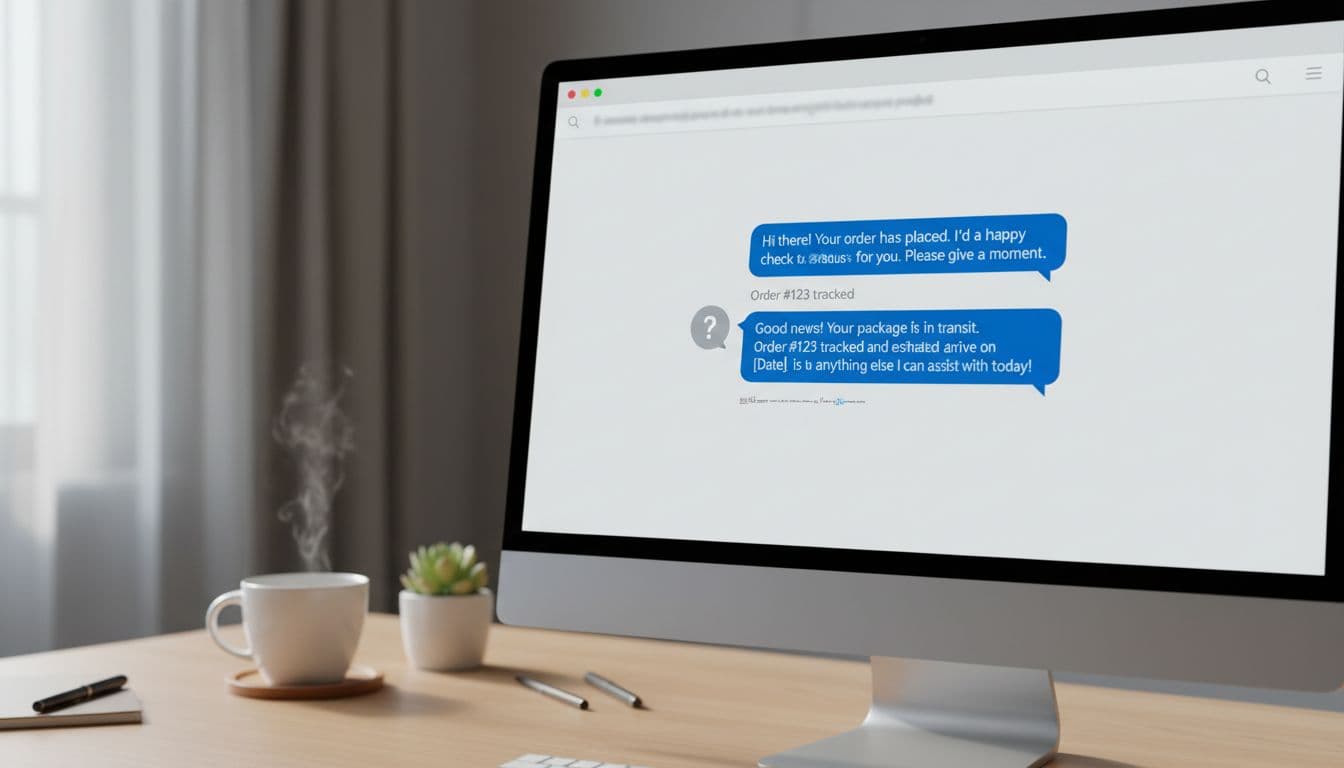
When the customer doesn’t recognize the charge
Unrecognized transactions often come from a confusing billing descriptor or a forgotten purchase, such as a duplicate charge. A fast reply can separate confusion from fraudulent transactions or criminal fraud.
Use a script like this: “Thanks for flagging this. I found the order tied to the card ending in [last four digits]. The charge may appear on your statement as [billing descriptor]. The order was placed on [date] for [item or plan] and sent to [email or address]. If this wasn’t you, I’ll escalate it to fraud detection now and stop future activity on the account while we review it. If it was you, I can send the full receipt and order details right away.”
This works because it gives facts early and shows control.
When the order looks lost or late
“Item not received” disputes rise when tracking goes quiet. The post-purchase chargeback tips from Webgility highlight how much clear shipping updates matter after checkout.
Use a script like this: “I checked your order, and I can see it shipped on [date]. The latest carrier update shows [status]. If there is no movement by [date], I can either send a replacement or process a refund based on your choice and our shipping policy. I’ll email the tracking link and shipping confirmation now so you have it in writing.”
This gives the customer a path forward before they feel ignored.
When the refund hasn’t appeared yet
A promised refund can still turn into a chargeback if the buyer doesn’t know how long bank posting takes.
Use a script like this: “Your refund was issued on [date] to the original payment method. Most banks post it within [time frame]. I am sending the refund reference number now. If it is not visible by [date], reply to this email and we’ll check the posting status with our payment provider.”
The key is the reference number and deadline. Those two details reduce panic.
When a subscription rebill causes confusion
Subscriptions create disputes when cancelation terms are hard to find or support answers are unclear.
Use a script like this: “I’ve reviewed the account and canceled future renewals effective [date]. Your last successful charge covered digital goods for [billing period]. If you meant to cancel before renewal, I can review whether the charge qualifies for a refund under our policy and confirm the result by [time]. I am also emailing your cancelation confirmation now.”
That message does two jobs. It stops future billing and removes doubt about what happens next.
Pair scripts with early alerts and automation
Scripts work better when your team has time to act before a dispute turns official. That is where alert systems help.

Chargebase is a chargeback management and prevention software company built for ecommerce and SaaS merchants. It helps companies reduce the number of chargebacks by connecting payment flows from the payment processor through the authorization process to early-warning networks and automated software powered by machine learning for dispute rules. The platform works with programs such as how Ethoca stops chargebacks, Verifi CDRN alerts, and Verifi Rapid Dispute Resolution. That gives merchants a chance to refund, cancel access, or fix the issue before it becomes a network chargeback on card networks, especially for high-risk card-not-present transactions where fraud detection complements tools like 3D Secure and address verification service.
For support teams, this matters because speed matters. Some response windows are short, and the chargeback process deadlines can move faster than an overloaded inbox. Chargebase can automate much of that work with configurable rules, real-time chargeback alerts, and a pay-per-alert model that keeps costs tied to actual cases. Integration is light, and merchants can connect a provider quickly instead of opening a long IT project.
This turns a script into part of an operating process. An alert comes in, the team checks fulfillment or account status, the script goes out, and the action is logged. That is how chargeback prevention becomes repeatable.
How to measure whether your scripts work
Measuring whether your scripts work is a vital part of a broader revenue protection strategy. A script is only useful if it changes outcomes. Review it like any other revenue control.

Track a short set of numbers each month:
- Chargeback rate
- First-response time for billing, shipping, and cancelation tickets
- One-contact resolution rate for dispute-prone issues
- Refund confirmation emails sent within your target window
- Alert-to-chargeback conversion rate
- Top dispute reasons by product, channel, and support queue
Then coach from the data and maintain an action log. This provides compelling evidence for the representment process. If unrecognized charges stay high, fix the statement descriptor and receipt copy. If “item not received” grows, look at carrier delays and message timing. If cancelation disputes keep showing up, rewrite the rebill and cancelation script before the next billing cycle.
Frequently Asked Questions
Why do chargebacks often start as support issues?
Many disputes arise from confusion over billing descriptors, late packages, slow refunds, or unclear cancelations rather than fraud. Customers contact their bank when merchant support feels slow or vague. Scripts fix this by delivering fast, clear facts and actions.
What is the best structure for a chargeback-preventing script?
Start by naming the issue and verifying the order, then explain what you see including policy, offer one next step with a timeline, and confirm everything in writing. This keeps replies consistent and human while covering key details. Avoid blame, vague promises, or directing to the bank prematurely.
How do scripts work with tools like Chargebase?
Scripts shine when paired with real-time alerts from networks like Ethoca or Verifi, giving teams time to respond before chargebacks hit. Automation handles alerts and logging, turning reactive support into a repeatable prevention process. This protects revenue without heavy IT setup.
How can you measure if your scripts reduce chargebacks?
Track chargeback rates, first-response times for billing tickets, one-contact resolutions, and alert-to-dispute conversions monthly. Coach agents from the data and log actions like descriptor fixes or script tweaks. This provides evidence for representment and revenue strategy.
Conclusion
When customer service feels slow or unclear, customers go to the bank. That is the real risk your scripts need to solve.
Clear replies, fast next steps, and written confirmation give buyers less reason to dispute the charge. Pair that with early-alert software like Chargebase, and customer service becomes one of the strongest tools your team has for chargeback prevention, protecting revenue and the bottom line.
You might also want to read
Chargeback Management & Software Overview
Dec 31, 2025
Chargeback Analytics & Reporting
Jan 02, 2026
Chargeback Management & Software Overview
Jan 13, 2026
Chargeback Prevention & Fraud Reduction
Jan 26, 2026