
Why Merchants Lose Chargeback Disputes And How To Fix It
Mar 30, 2026
One bad chargeback rarely travels alone. If your team keeps losing chargeback disputes, the problem usually starts long before the bank reviews your evidence.
In 2026, disputes keep climbing, and processors still watch merchant ratios closely. For many online businesses, the bigger loss isn’t the sale, it’s the fees, staff time, and account risk that follow it.
The fix is rarely a longer rebuttal letter. It’s a tighter system, from cleaner records to faster alerts and smarter case selection.
Many chargeback disputes are lost before the review starts
Most merchants think the fight begins when they upload documents. In practice, many cases are lost earlier. The issuing bank hears the cardholder’s story first, and that first version shapes the case.
A large share of disputes now comes from first-party misuse, often called friendly fraud. The customer made the purchase, then claims fraud, non-delivery, or confusion later. Recent 2026 estimates suggest this group makes up roughly 45% to 75% of chargebacks, which explains why honest merchants still lose valid sales.
Banks also judge rules, not feelings. If your team says the customer is wrong, but the file doesn’t match the reason code, the issuer still sides with the customer.
Timing makes that worse. Response windows are short, often a matter of days. If your team can’t quickly pull order data, shipment proof, refund history, and support messages, the case weakens fast. That’s why understanding the chargeback lifecycle matters before you ever challenge a case.
Then there are the problems you created without meaning to. A vague billing descriptor, a hidden cancel link, late shipping, or slow support can push customers to their bank instead of your help desk. Online chargeback rates often sit around 0.6% to 1%, and crossing that line can bring processor pressure.
A simple truth sits underneath all of this. Merchants often fight cases they should have prevented, or refunded, much earlier.
Weak evidence sinks otherwise valid cases
Winning chargeback disputes isn’t about sending more files. It’s about sending the right proof for the exact claim. If the reason code says fraud, tracking data won’t do much. If it says item not received, device data won’t rescue the case.
Match the evidence to the story the issuer must test. For fraud claims, show AVS and CVV results, 3D Secure data if you have it, device or IP data, and prior successful orders on the same account. For non-delivery claims, send tracking, delivery scans, signature proof for high-value orders, and any message where the customer confirmed receipt. For subscription disputes, include checkout terms, renewal notices, cancellation logs, and usage records after the renewal date.
If your evidence doesn’t answer the bank’s exact reason code, even a real sale can still lose.
Merchants also lose because their records live in five places. Support has emails, ops has shipping data, billing has invoices, and no one owns the final packet. Build one standard dispute file, then make every team feed it. Some processors allow 7 to 21 days to respond, but the safest rule is same-day intake and next-day submission.
A rebuttal letter matters less than people think. Keep it short. Tie each attached document to the claim, and skip emotional language. This practical merchant guide to winning chargebacks explains that side well.
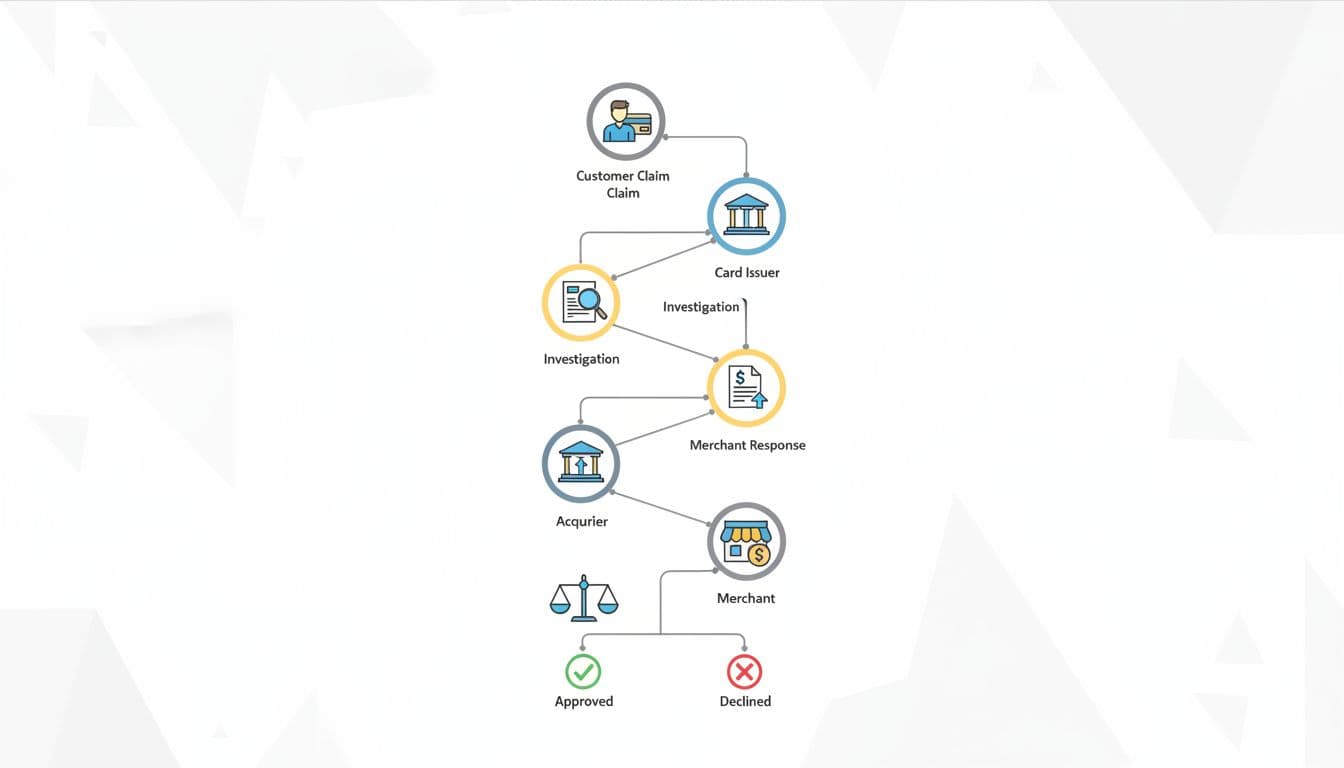
One more mistake hurts win rates: merchants treat every case like it deserves a fight. It doesn’t. If the order value is low and the proof is weak, refunding early may cost less than arguing. If the order is high-value and the evidence is clean, submit fast and make the case tight.
Prevention beats fighting the chargeback later
Every formal dispute is expensive. By the time you answer it, you’ve often lost the product, paid a fee, and spent hours on admin work. Current 2026 estimates put the full cost of one chargeback at up to 2.5 times the order value once labor and losses are counted.
That is why the best fix happens before the case becomes a formal chargeback. Alert networks such as Ethoca, Verifi CDRN, and Visa RDR can surface trouble early enough for you to refund, stop shipment, cancel access, or correct a billing issue first. In many setups, a handled alert does not hit your ratio the same way a formal chargeback does.
Chargebase is built for that stage. It’s a chargeback prevention software platform for e-commerce and SaaS teams that want fewer disputes, not only better rebuttals. The platform connects with your payment provider in minutes, often without code. As an official partner of Ethoca and Verifi, it watches programs like Ethoca, CDRN, and RDR, then sends real-time alerts only when your team still has a chance to act. Merchants can set more than 10 automation rules, choose refund paths where supported, and use pay-per-alert pricing, so costs stay tied to outcomes.
That mix helps most companies reduce the number of chargebacks because it removes delay. Instead of finding out weeks later, your team can act while the problem is still small. If you want a clearer view of the alert side, this explainer on How Ethoca Alerts work is a strong starting point. For broader tactics, these chargeback winning tips add more useful context.

Winning more disputes starts with a simple truth: most losses come from weak process, not bad luck. When you tighten evidence, choose the right cases to fight, and stop preventable disputes earlier, chargeback disputes become far less costly.
The merchants that improve fastest don’t wait for the next chargeback. They fix the billing descriptor, the cancel flow, the evidence packet, and the alert response time.
Start with one audit this week, then repair the slowest step first.
You might also want to read
Uncategorized
Apr 10, 2026
Uncategorized
Apr 09, 2026
Uncategorized
Apr 08, 2026
Uncategorized
Apr 07, 2026