
Magento Chargeback Prevention in 2026: What Works
Apr 19, 2026
Chargebacks don’t wait for your team to catch up. For Magento merchants in 2026, disputes move faster, banks rely more on automation, and small post-purchase mistakes can turn into lost revenue.
That makes magento chargeback prevention less about fighting cases later and more about stopping bad cases before they start. If your store sells physical goods, digital products, or subscriptions, the same rule applies: fix confusion early, automate the obvious steps, and act fast when alerts arrive.
That starts with knowing where Magento stores usually create avoidable risk.
Why Magento chargeback prevention is harder in 2026
Online payments already carry more risk than in-person sales. Recent 2026 data points to about 281.3 million chargebacks globally this year. E-commerce transactions are also far more likely to end in a dispute than card-present sales. The pain goes beyond the refund. You also lose time, fees, and sometimes the product.
Magento stores feel this pressure because the platform is flexible. That helps growth, but it can also scatter data across gateways, fraud tools, shipping apps, and subscription plugins. When those systems don’t line up, a valid order can look suspicious, or a real complaint can sit too long.
Friendly fraud is a major driver now. A customer forgets a purchase, doesn’t recognize the billing name, or claims an item never arrived after delivery. Subscription stores face a second issue. If renewal notices are weak or cancelation is hard to find, some customers go straight to the bank.
A quick view of the biggest risk points helps:
| Risk point | Common Magento trigger | Better fix |
|---|---|---|
| Billing confusion | Statement descriptor doesn’t match the storefront | Use a brand name shoppers recognize |
| Fulfillment gap | Late tracking or weak delivery updates | Send carrier events automatically |
| Subscription surprise | No reminder before rebill | Warn before renewal and make cancelation easy |
If your team needs a refresher on understanding chargeback disputes, keep one clear guide close to support and finance. The fewer unknowns your staff has, the faster they can act.
If customers can solve the problem with your support team faster than with their bank, chargebacks drop.
That matches the advice in this ecommerce chargeback prevention blueprint, which puts post-purchase communication at the center.
The store-level fixes that cut disputes before they grow
Start at checkout. Use AVS and CVV checks, basic velocity rules, and 3D Secure 2 where it fits your fraud mix. For higher-risk orders, review mismatched IP, device, or shipping patterns before capture. Network tokenization also helps because it keeps card data current and reduces rebill problems later.
Still, many preventable disputes begin after the payment clears. Send order confirmation right away. Follow it with shipment updates, delivery confirmation, and an easy support path in every email. Your billing descriptor should match the brand the shopper remembers, not a legal entity they have never seen.
For Magento subscriptions, send renewal reminders about a week before the next charge. Also keep cancelation simple. A pause option can save some accounts without trapping the customer. When support grants a refund, sync that action with Magento and your gateway so the shopper doesn’t get charged twice.
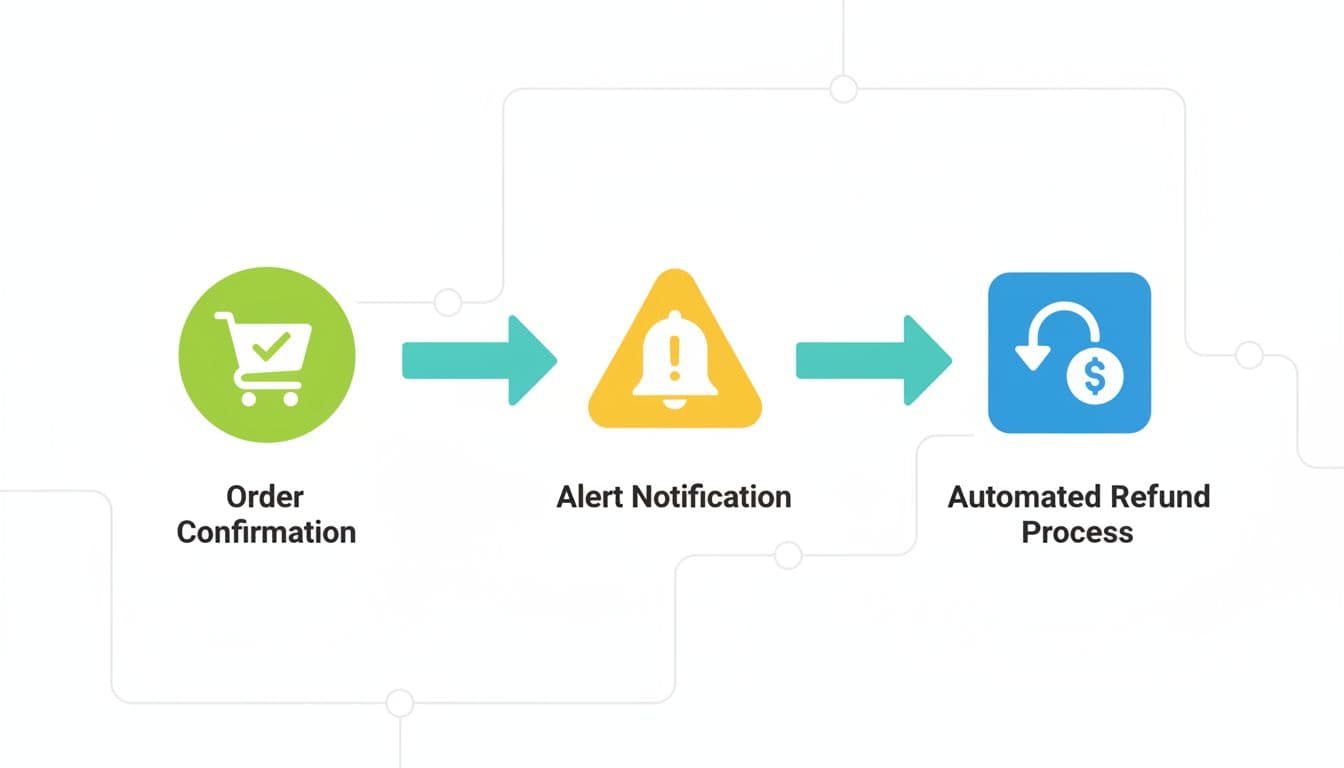
A clear workflow matters more than last-minute scrambling. Every disputed order should map to the same checklist: payment proof, item details, carrier scan, customer messages, login history, and refund status. If you sell digital goods, keep access logs and download timestamps as well.
For store-specific controls, this Magento fraud prevention guide covers useful safeguards merchants often add on top of core settings. The goal is simple. Remove confusion, prove delivery, and make refunds easy when the facts are clear.
Alerts and automation are the real difference in 2026
By the time a standard chargeback lands, you’re already behind. Issuers and card networks now move quickly, and many disputes pass through automated review first. That is why early-warning programs matter. Ethoca, Verifi CDRN, and Visa RDR can surface a dispute before it becomes a full network chargeback. That short window gives you time to refund, stop shipment, or auto-resolve the case.
Chargebase is a strong fit here. It is chargeback prevention software for e-commerce and SaaS companies, and it can help most companies reduce the number of chargebacks by acting on alerts early. The platform connects with your payment provider quickly, sends real-time alerts when a refund can still stop a dispute, and supports automated workflows so your team does not have to review every case by hand. It also offers pay-per-alert pricing, which makes costs easier to predict.
If you want more context on issuer alert networks, Chargebase has a practical guide on How Ethoca alerts stop disputes early. Its docs also share strategies for low chargeback ratios, including why alert response time matters.
Tools and integrations that keep Magento teams fast
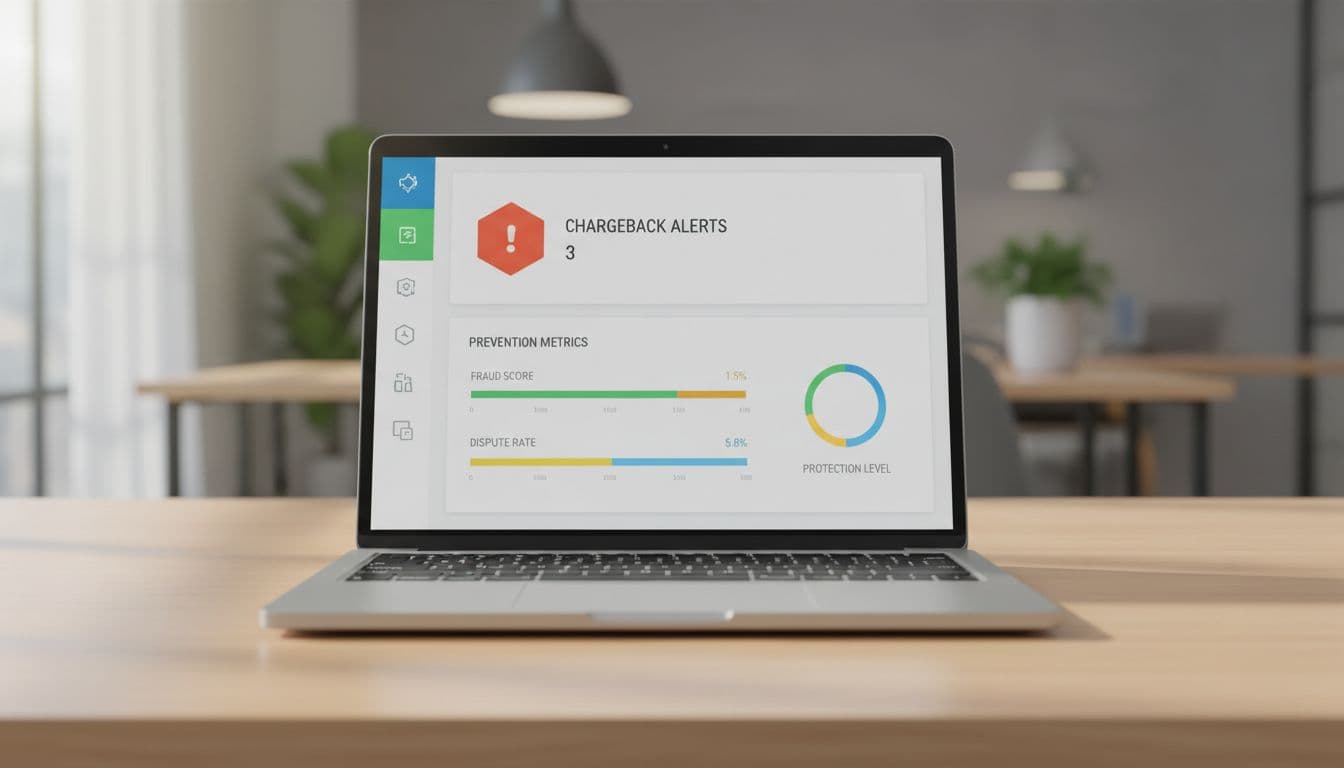
The best Magento chargeback prevention setup connects four things: your gateway, your order system, your shipping data, and your help desk. When an alert arrives, your team should see the order, shipment state, prior contact, and refund options in one place. If the process depends on three inboxes and a spreadsheet, you’ll miss the window.
When you compare vendors, this list of chargeback prevention software companies gives a broad view of the market. The right choice depends on volume, card mix, and how often you can automate a refund safely. For many Magento merchants, the goal is still the same: fewer disputes counted against your ratio and less manual work.
Chargebacks often start with confusion, not crime. Magento stores that tighten checkout, clean up post-purchase messaging, and act on alerts early have a much better shot at keeping disputes off the books.
In 2026, magento chargeback prevention comes down to speed and clarity. When your systems talk to each other and your rules are clear, the bank doesn’t get the first conversation.
You might also want to read
Chargeback Management & Software Overview
Dec 31, 2025
Chargeback Analytics & Reporting
Jan 02, 2026
Chargeback Management & Software Overview
Jan 13, 2026