
Behavioral Fraud Detection for Online Merchants, Explained
Apr 07, 2026
A stolen card can pass basic checkout checks and still look clean. The giveaway often shows up in the shopper’s behavior, not the card data.
That’s why behavioral fraud detection matters for fraud prevention. Powered by behavioral biometrics, it reads clicks, typing, timing, and session patterns so you can spot bad orders sooner, protect good customers, and reduce the chargebacks that often follow.
Key Takeaways
- Behavioral fraud detection analyzes shopper behaviors like mouse movements, typing patterns, and session timing to spot fraud that static checks miss.
- Powered by machine learning, it scores sessions in real time, enabling actions like reviews or blocks while reducing false positives on good customers.
- It excels against bots, card testing, and account takeovers by catching unnatural patterns early, lowering fraud losses and chargebacks.
- Works best layered with tools like AVS, velocity checks, and chargeback prevention software such as Chargebase for full fraud defense.
Behavioral fraud detection reads a shopper’s behavioral analytics
Traditional fraud tools focus on fixed data points. They check the billing address, CVV, IP, device, or order value. Those checks still matter, but they only show part of the picture.
Behavioral fraud detection watches how the session unfolds. Think of it like reading body language in a store. A real buyer usually browses with a natural rhythm. A fraudster, a bot, or an account takeover fraud session often looks rushed, awkward, or inconsistent.
Common signals include:
- Mouse movements that move too fast, too straight, or in odd bursts
- Typing patterns that suggest pasted data instead of real entry
- Repeated payment attempts in a short window
- Sudden device, browser, or network changes during checkout
- Navigation patterns that don’t match normal customer behavior, indicating suspicious activity
One strange action doesn’t prove fraud. A tired customer can mistype a card. A mobile user can bounce between screens. What matters is the pattern of user behavior across the full session.
Research on behavioral biometrics and user behavior data in e-commerce fraud supports that idea. Session-level signals can expose risk that static checks often miss.
Fraud often shows up in the journey before it appears in the payment record.
That matters for merchants because fraud rarely ends with one bad order. It often turns into refunds, lost goods, payment fees, and chargebacks.
How behavioral fraud detection works in real time
Most systems, powered by machine learning and artificial intelligence, build a baseline for normal customer behavior, then compare each new session against it through real-time monitoring. They score the session as it happens for risk assessment, often in seconds.
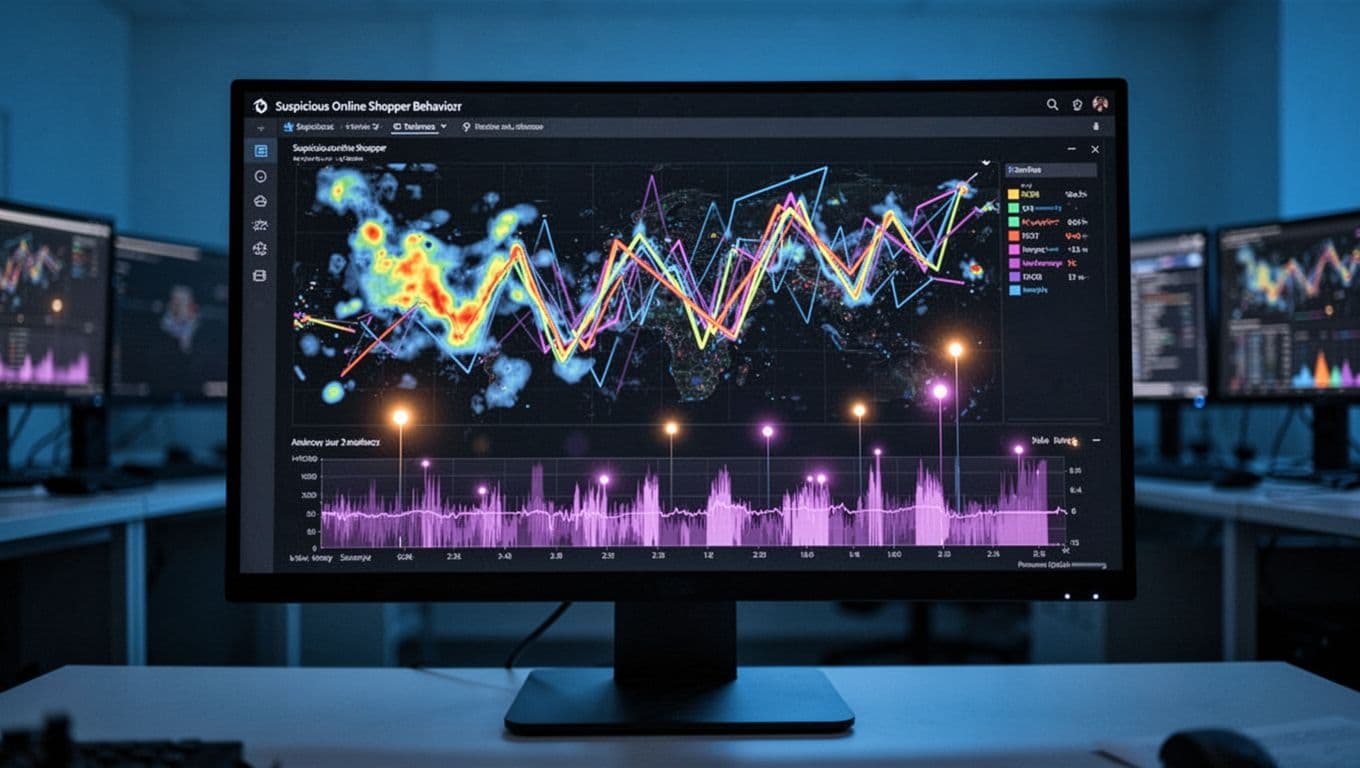
If the score stays low, the order moves through. If risk rises, the merchant can trigger extra checks, send the order to review, require 3DS, slow the session, or block the purchase.
This is why behavioral tools work well against card testing and excel in bot detection. Bots may have valid stolen data, but they often move with machine-like speed, lacking the behavioral biometrics of real humans. Human fraudsters also make mistakes. They rush checkout, paste fields, skip normal browsing, or retry too many times.
Merchant guides on user behavior anomaly detection make the same point: one event rarely matters on its own, but clusters of odd actions tell a stronger story.
Behavioral fraud detection works best as part of a stack. It should sit beside AVS, CVV, device intelligence, identity verification, velocity checks, and clear post-order review rules. In other words, it doesn’t replace your current controls. It makes them smarter because it adds context.
That context also helps reduce false positives. A good customer may travel, use a new device, or mistype once. If their overall behavior still looks natural, you don’t have to block the sale.
Why it helps lower fraud losses and chargebacks
For online merchants, the biggest win with behavioral intelligence is simple. You stop more bad orders before money, inventory, and support time disappear.
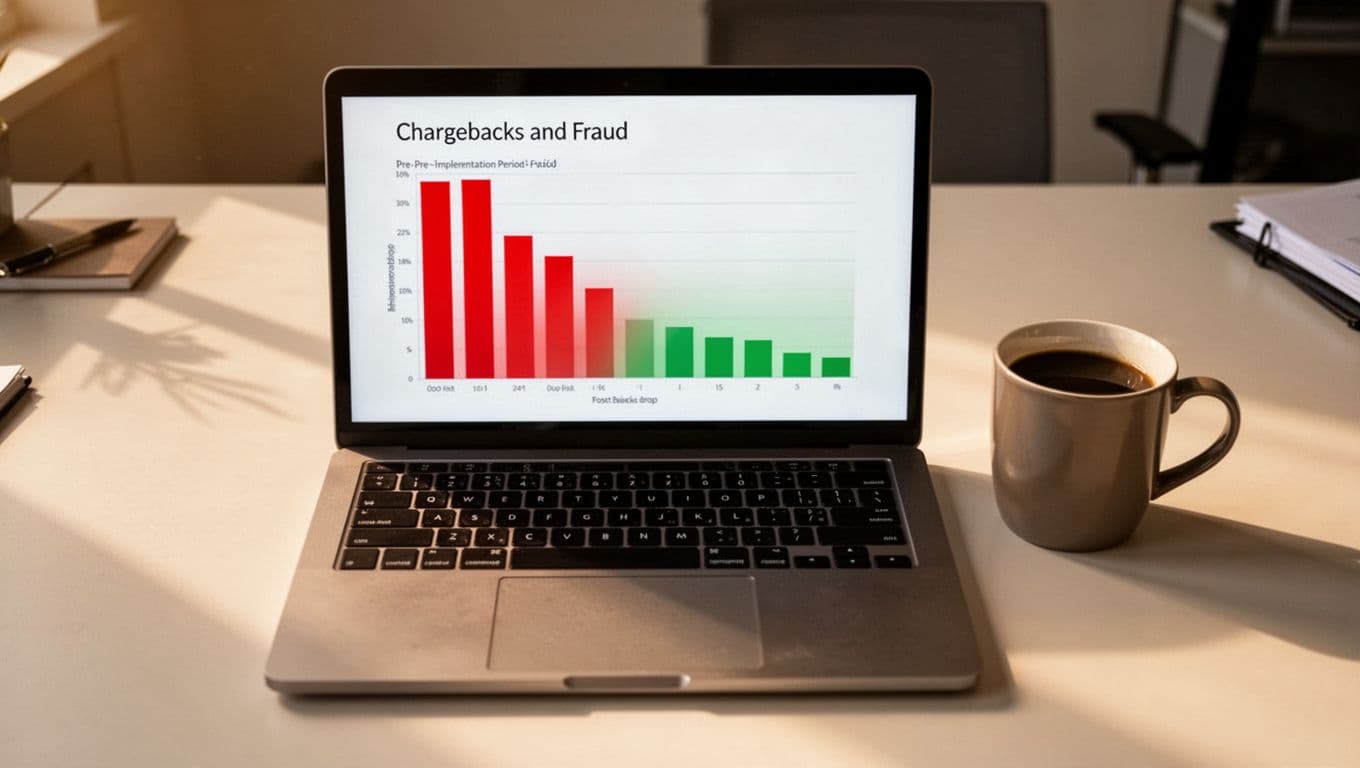
That matters because fraud doesn’t only hurt authorization rates. It often becomes a dispute later. As Chargebase explains in what are chargebacks, a chargeback can mean lost revenue, extra fees, and more work for your team.
Behavioral fraud detection helps on several fronts. Powered by behavioral analytics, it analyzes transaction patterns to catch account takeover attempts before a criminal drains a saved card. It can spot scripted card testing before hundreds of low-value authorizations hit your gateway. It can also flag orders that deserve a closer look before you ship.
The result is usually fewer fraudulent fulfillments and fewer disputes tied to unauthorized transactional fraud. That’s a direct benefit of fraud prevention if you’re trying to keep chargeback rates low.
There’s also a softer benefit. Better fraud decisions protect good buyers from needless friction, balancing security with a frictionless user experience. When you block fewer real customers, conversion holds up better and the overall digital experience improves.
Frequently Asked Questions
What is behavioral fraud detection?
Behavioral fraud detection uses behavioral biometrics to monitor how shoppers interact during a session, such as mouse movements, typing speed, and navigation patterns. Unlike static data checks, it builds a baseline of normal behavior and flags anomalies in real time. This helps merchants spot fraudsters, bots, or takeovers before orders complete.
How does it differ from traditional fraud tools?
Traditional tools rely on fixed data like IP, CVV, or billing address, which fraudsters can bypass with stolen info. Behavioral detection watches the full session journey for patterns like rushed checkouts or pasted fields. It adds context to make existing checks smarter and catch risks static rules miss.
Can behavioral fraud detection reduce false positives?
Yes, by analyzing the full session pattern rather than single events, it distinguishes tired customers or device changes from real threats. Natural behaviors keep scores low, allowing good orders to proceed without friction. This balances security with better conversion rates.
Why pair it with chargeback prevention software?
Behavioral tools stop risky orders at checkout, but some disputes arise post-payment from forgotten buys or bank contacts. Chargebase automates alerts via networks like Ethoca and RDR to resolve issues early. Together, they cover pre- and post-checkout fraud for lower losses.
Pair behavioral screening with chargeback prevention software
Behavioral tools work before or during checkout. They help decide whether an order looks safe. Still, some chargebacks happen after a legitimate payment goes through. Customers forget a purchase, don’t recognize the descriptor, dispute a renewal, or contact the bank before support can help.
That’s where Chargebase fits. Chargebase is chargeback prevention software built for e-commerce and SaaS merchants. It connects with payment providers quickly, automates much of the dispute cycle, and sends real-time alerts when merchants still have a chance to stop a case before it becomes a formal chargeback.
Its platform supports programs such as Ethoca, RDR, and CDRN. Those tools give merchants an early warning so they can refund or resolve the issue fast. Chargebase also offers configurable automation rules, including more than 10 rule options with RDR, so teams can handle common dispute paths without manual back-and-forth. For most companies that accept card payments, that mix can reduce the number of chargebacks as part of comprehensive fraud prevention.
Another benefit is pricing clarity. Chargebase uses a pay-per-alert model, so merchants pay when alerts are delivered, not for a vague platform promise. If you want a plain-language look at one of those networks, its guide on using Ethoca to reduce chargebacks is a good place to start.
The strongest setup is often both layers together for layered fraud prevention. Use behavioral fraud detection, powered by keystroke dynamics and continuous authentication, to stop risky orders early, including those linked to money mule accounts. Then use chargeback prevention software to catch disputes that appear after the payment has already gone through. Prioritize data privacy and ethical user profiling to ensure a robust, modern defense.
Fraudsters rarely behave like normal customers for long. Merchants that watch behavior, not only payment fields, spot more risk before it turns into lost revenue.
Add chargeback prevention on top, and you close the gap between fraud screening and dispute control with adaptive security measures. If your team still relies on static rules alone, that’s probably the first gap worth fixing. Behavioral biometrics and behavioral analytics reinforce this total security strategy.
You might also want to read
Uncategorized
Apr 10, 2026
Uncategorized
Apr 09, 2026
Uncategorized
Apr 08, 2026
Uncategorized
Apr 06, 2026