
How to Protect Chargebacks on BigCommerce and Keep More Revenue
Apr 06, 2026
Card-not-present sales bring more buyers, but they also bring more disputes. Current forecasts suggest global chargebacks could reach 337 million transactions in 2026, so this problem is only getting bigger.
Good BigCommerce chargeback prevention starts long before a bank opens a case. When checkout, shipping, billing, and refunds work together, fewer customers run to their issuer first.
Protecting your bottom line allows for better access to growth capital like revenue-based financing.
Key Takeaways
- Spot patterns early: Review dispute reason codes, repeat customers, product categories, and payment methods to tackle fraud, friendly fraud, and common triggers like delayed orders or billing confusion before they escalate.
- Tighten checkout smartly: Enable AVS, CVV checks, 3D Secure, and clear policies on shipping, refunds, and subscriptions without adding friction for good buyers—focus rules on high-risk signals like address mismatches.
- Master post-sale flow: Send instant confirmations, tracking updates, renewal reminders, and fast refunds to stop customers from filing disputes; log everything to fix root causes like problematic SKUs or shipping lanes.
- Leverage prevention software: Tools like Chargebase, Signifyd, or NoFraud from the BigCommerce App Marketplace provide real-time alerts via Ethoca and machine learning, letting you act before chargebacks hit and protecting revenue.
BigCommerce chargeback prevention starts with the real causes
Many merchants blame fraud first. Sometimes that’s right. Still, a large share of disputes come from confused buyers, forgotten subscriptions, delayed orders, or a charge they don’t recognize later. Recent data also points to friendly fraud as a major driver, with valid purchases often getting disputed anyway.

BigCommerce stores are exposed because online transactions carry more risk than in-person sales. That means your first job is pattern spotting. Review dispute reason codes, repeat customers, product categories, traffic sources, and payment methods to identify patterns of identity theft and fraudulent transactions. A practical BigCommerce chargeback prevention checklist can help you map those trends before they become normal.
Here’s a simple way to frame the most common triggers:
| Common trigger | What usually caused it | Best first fix |
|---|---|---|
| Fraud claim | Stolen card or risky order | Address Verification System, CVV checks, 3D Secure, manual review |
| Item not received | Delay, bad tracking, porch theft | Faster updates, signature on high-value orders |
| Not as described | Weak photos or vague details | Better product pages and return terms |
| Recurring billing confusion | Buyer forgot renewal | Reminder emails and easy cancel flow |
Most chargebacks don’t come out of nowhere. They usually start with a missed signal.
Tighten checkout and product pages without hurting conversion
A sloppy checkout is like a front door that doesn’t latch. It looks fine until something slips through. So turn on every fraud control your gateway supports, especially Address Verification System, CVV checks, device review, fraud validation rules, and 3-D Secure authentication for high-risk transactions.
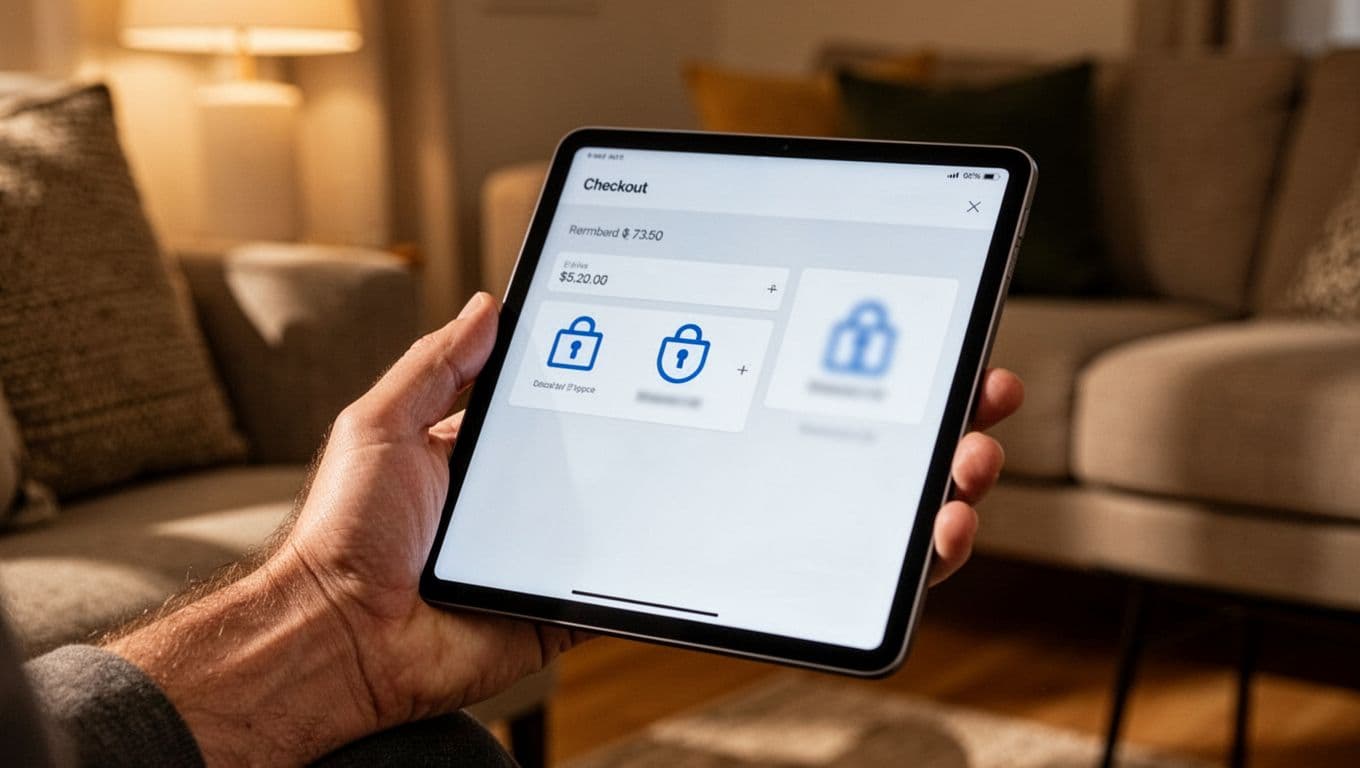
At the same time, don’t create friction for good buyers. Use rules, not guesswork. For example, a first-time order with overnight shipping and a billing and shipping addresses mismatch may deserve manual review. A repeat customer with clean history probably doesn’t. That layered approach matches advice in this merchant chargeback checklist.
Then fix the pages that create buyer confusion. Display a clear shipping policy, refund policy, taxes, subscription terms, and accurate product descriptions before payment. If you sell apparel, size charts matter. If you sell software, explain trial conversion and billing dates in plain language with accurate product descriptions. Also, make your billing descriptor match the name shoppers remember. Many “fraud” claims are really “I forgot what this charge was.”
Most disputes are won or lost after the sale
Once payment clears, the quiet part starts, and that’s where many stores lose control. Send order confirmation emails right away. Follow them with tracking, delivery updates, and clear support details. If a shipment stalls, contact the buyer before they contact the bank.
Fast refunds also matter. When a customer can’t get help, a chargeback becomes their shortcut. So give support agents room to solve low-value problems quickly. For subscription businesses, send renewal reminders and cancellation confirmations. For digital goods, keep detailed transaction records including login history, download logs, and usage timestamps.
A high chargeback ratio can hurt even when you win some cases later, resulting in increased payment processing fees from your gateway. If you need a refresher on dispute fees, timelines, and ratio basics, this 2026 chargeback FAQ is a good reference.
Most importantly, log every dispute reason in one place. If one SKU, promo source, or shipping lane keeps showing up, fix that root cause first. BigCommerce chargeback prevention gets much easier when your team stops treating each case like a one-off fire.
Use chargeback prevention software for real-time alerts
Manual review helps, but it won’t catch every pre-dispute signal. That’s where chargeback prevention software earns its keep, including fraud prevention tools and fraud detection apps that modern merchants rely on for proactive defense. These solutions, easily accessible via the BigCommerce App Marketplace, spot issues early with machine learning and real-time machine learning; they generate a fraud score based on signals like blacklisted IP addresses and anonymous proxies, route alerts fast, and give your team a small window to refund or resolve the order before a formal chargeback lands. Industry leaders such as Signifyd, FraudLabs Pro, and NoFraud offer robust options alongside chargeback management tools like Chargebase.
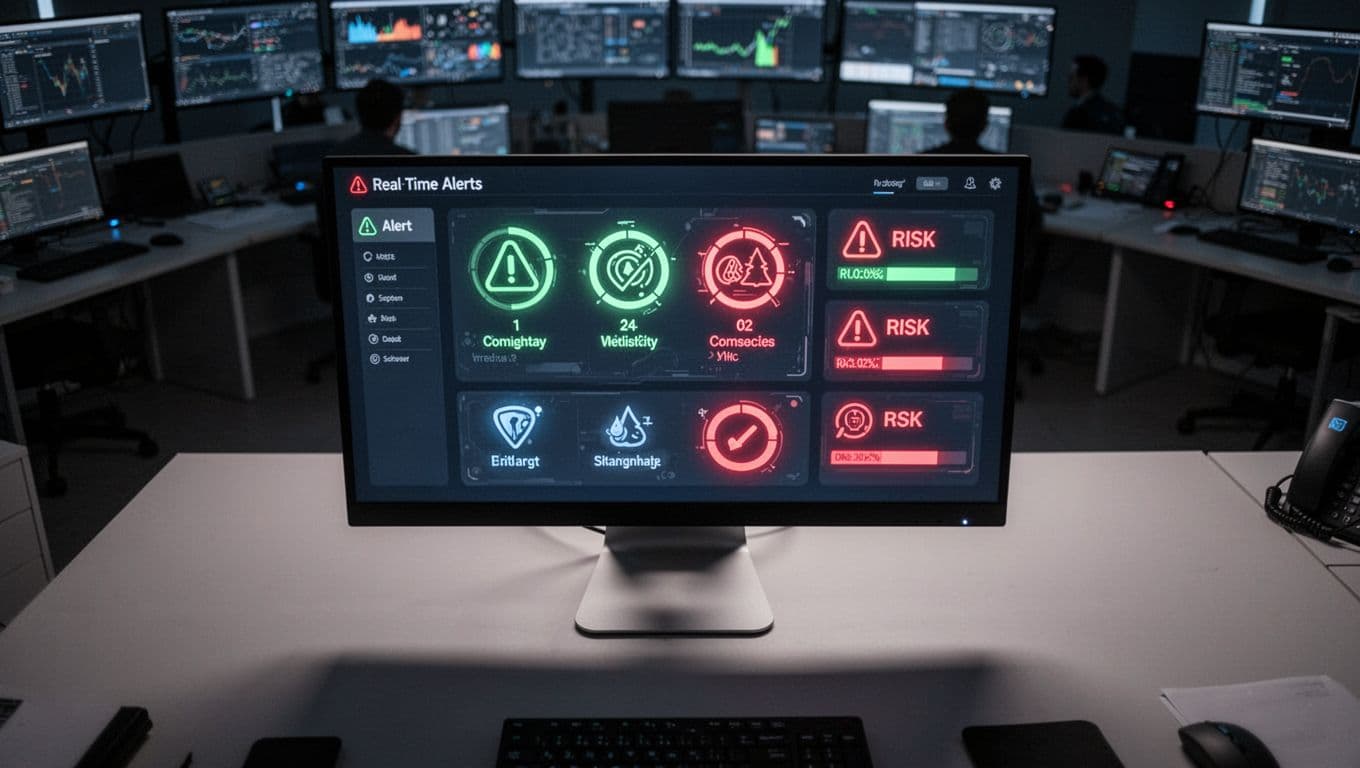
Chargebase is one option built for e-commerce and SaaS companies that want fewer disputes. It connects to a payment provider in about two minutes, uses global merchant data, and sends real-time alerts only when there’s still time to stop a chargeback. It also supports programs such as Ethoca, RDR, and CDRN, so merchants can act earlier instead of fighting later.
That matters because response time is everything. Some programs allow auto-refunds, while others support manual action, depending on the network and setup. Chargebase also uses performance-based pricing, so businesses pay per alert rather than taking on a large fixed software bill. If you want more background, this guide on early dispute warnings with Ethoca Alerts explains why those alerts can stop disputes before they escalate.
Frequently Asked Questions
What are the most common chargeback triggers for BigCommerce stores?
Many stem from fraud or stolen cards, but friendly fraud, item not received due to delays or porch theft, products not as described from vague details, and recurring billing confusion top the list. Spot patterns in reason codes, traffic sources, and products to address root causes. A BigCommerce chargeback prevention checklist helps map these trends fast.
How can I secure checkout without losing conversions?
Turn on gateway fraud tools like Address Verification System, CVV checks, device review, and 3D Secure for risky orders, but use targeted rules—manual review first-timers with mismatches, not repeats. Display clear shipping, refund, tax, and subscription terms with accurate photos and billing descriptors shoppers recognize. This layered approach cuts disputes while keeping good flow.
Why does post-purchase communication prevent chargebacks?
Order confirmations, tracking updates, and support details stop ‘item not received’ claims; renewal reminders and easy cancels fix subscription issues. Fast refunds and proactive outreach when shipments stall keep customers from banks. Logging disputes reveals repeat problems like bad SKUs for targeted fixes.
What role does chargeback prevention software play?
Apps like Chargebase, Signifyd, or FraudLabs Pro from the BigCommerce Marketplace use machine learning for real-time fraud scores and alerts via Ethoca, RDR, or CDRN, giving time to refund or resolve pre-dispute. They connect quickly, use global data, and often feature performance pricing. This proactive defense beats manual reviews alone.
How do high chargeback ratios impact my business?
They raise processing fees, hurt gateway relationships, and limit growth capital like revenue-based financing even if you win disputes. Prevention keeps ratios low by fixing causes upfront. Start with your top reasons this week for quick wins.
Stop treating chargebacks like random bad luck
BigCommerce chargeback prevention proves most chargebacks are preventable, especially the dual threat of friendly fraud and fraudulent transactions. The best results come from cleaner checkout rules, better post-purchase communication, and faster action when a customer shows signs of trouble.
Start with your top dispute reasons this week. Then tighten the weak points, add alert coverage where it makes sense, and protect revenue before the bank gets there first.
You might also want to read
Uncategorized
Apr 10, 2026
Uncategorized
Apr 09, 2026
Uncategorized
Apr 08, 2026
Uncategorized
Apr 07, 2026