
Chargeback Reason Codes Cheat Sheet for Merchants
Apr 09, 2026
Chargebacks feel random until you read the chargeback reason code. That short label tells you why the bank pulled funds, what evidence matters, and where your payment flow is breaking.
If you are a merchant accepting card payments through gateways, subscriptions, or other fintech tools, chargeback reason codes are one of the quickest ways to spot trouble and understand the cardholder’s actions. Learn the patterns, and you can stop treating every dispute like a fresh fire with chargeback reason codes.
Key Takeaways
- Chargeback reason codes categorize disputes into fraud, authorization, processing, or cardholder issues, acting as clues to guide your evidence and next steps in representment.
- Match proofs precisely to the code—fraud needs buyer verification (AVS, CVV, 3DS), while consumer disputes require fulfillment records, tracking, or refund receipts.
- Track raw network codes across reports to spot patterns by card type, business unit, or month, avoiding gateway translations that obscure trends.
- Use codes as an early-warning system: route fraud to ops, billing issues to support, and leverage tools like Chargebase alerts to prevent disputes via quick refunds or automation.
- Common high-win codes like Visa 13.1 (merchandise not received) succeed 70-80% with strong tracking; focus fixes on top codes from your last quarter.
What chargeback reason codes actually tell you
A reason code is the issuing bank’s shorthand for the dispute. It’s less like a verdict and more like a clue. The code points to one of four dispute categories: fraud, authorization, processing, or cardholder transaction dispute.
As of April 2026, the main structure hasn’t changed much across card networks. Visa still uses families such as 10.x for fraud and 13.x for consumer issues. Mastercard still leans on four-digit codes, such as 4841 for canceled recurring billing and 4855 for goods or services not provided. American Express and Discover keep their own versions, but the logic is similar.
For a quick refresher on what chargebacks are and how the process works, it’s worth reviewing the full lifecycle. That context matters because the same code can lead to a refund, a response packet, or a simple policy fix upstream.
The code doesn’t only explain the dispute. It tells you what your team should do next.
This is where many merchants trip up. They read a fraud code and send shipping proof. Or they read a “credit not processed” code and argue the product was delivered. Good evidence with the wrong story still loses. You need compelling evidence aligned with the reason code to succeed in the representment process.
Also, don’t rely only on the label your gateway shows. Processors often rewrite card network language into plain English, which helps at first, but can hide the exact code family. Keep the raw card network code in your reports so you can compare months, card networks, and business units without guesswork.

A merchant-friendly chargeback reason codes cheat sheet
This quick table covers the codes many payment teams see most often.
| Network/code | Usual meaning | First thing to check |
|---|---|---|
| Visa 10.4 | Card not present fraud | AVS, CVV, 3DS, device, proof of delivery |
| Visa 13.1 | Merchandise not received | Tracking, fulfillment logs, proof of delivery, service dates |
| Visa 13.2 | Canceled recurring transaction | Cancellation policy, terms, reminder emails |
| Visa 13.3 | Not as described or defective | Product page, photos, customer messages |
| Visa 13.6 | Credit not processed | Refund receipt, ARN, timing |
| Mastercard 4841 | Canceled recurring | Consent, cancel logs, billing notices |
| Mastercard 4853 | Cardholder dispute | Match facts before choosing evidence |
| Mastercard 4855 | Merchandise not received | Shipment records, proof of delivery, usage records |
A simple pattern stands out. Fraud codes need proof the buyer was real. Consumer codes need proof the order, service, or refund happened as promised. Processing errors and authorization issues, as distinct dispute categories, usually point to an internal error, which means the fix is often operational, not legal.
Visa’s 11.x and 12.x families deserve attention too. Authorization issues usually mean approval rules were missed. Processing errors often come from duplicate processing, point of interaction error, the wrong amount, or poor settlement timing. Those cases sting because they often start inside your own stack.
Discover and American Express follow the same idea even when the numbers differ. For example, Discover commonly ties 7030 to fraud and 4553 to “not as described.” If you work across processors, a guide with examples like this 2026 reason code reference can help your team translate the language faster.
Recent 2026 references, including this merchant list of reason codes, still show customer disputes as the biggest bucket. That’s not surprising. Many losses come from friendly fraud, subscription confusion, unclear billing descriptors, and delivery complaints.
The win-rate gap matters too. Merchandise not received cases often perform better when tracking is clean. Some 2026 data puts Visa 13.1 in the 70 to 80 percent range with strong proof. “Not as described” is harder because product claims get subjective fast, and merchant win rates are often much lower. A doorstep scan is easier to prove than a customer saying the item felt different than expected.
Frequently Asked Questions
What do chargeback reason codes tell merchants?
Reason codes are the issuing bank’s shorthand for disputes, pointing to categories like fraud (e.g., Visa 10.x), consumer issues (13.x), or processing errors. They guide what evidence to submit, such as AVS/CVV for fraud or tracking for ‘not received.’ Always use raw network codes, not gateway summaries, to analyze patterns accurately.
How should I respond to a fraud reason code like Visa 10.4?
Check AVS, CVV, 3DS, device data, and proof of delivery to prove the buyer was legitimate. Avoid sending irrelevant info like product descriptions. Align your representment packet tightly to the code for better win rates.
What’s the difference between fraud and cardholder disputes?
Fraud codes (e.g., Visa 10.4, Mastercard 4837) involve unauthorized use, needing identity proofs. Cardholder disputes (e.g., Visa 13.1-13.6, Mastercard 4855) stem from buyer claims like non-delivery or defects, requiring transaction fulfillment evidence. Processing codes point to your internal errors like duplicates.
How can reason codes help prevent future chargebacks?
Aggregate codes to identify leaks, like recurring cancels signaling poor billing notices. Route by category: fraud to prevention tools, consumer issues to support. Platforms like Chargebase use real-time alerts (Ethoca, Verifi) to catch and stop disputes early with automation.
Why track win rates by reason code?
Codes like Visa 13.1 win 70-80% with solid tracking, while ‘not as described’ (13.3) is tougher due to subjectivity. Quarterly reviews reveal fixable patterns, improving overall chargeback rates and turning disputes into operational insights.
Use the codes to cut future chargebacks
The best chargeback management teams do not stop at sorting disputes. They connect each code to a targeted fix that bolsters fraud prevention. One code may route work to fraud ops, another to billing, and another to customer support. That transforms reason codes from paperwork into an early-warning system.
Chargebase fits perfectly in professional chargeback management and fraud prevention because it is built as chargeback prevention software, not just a dispute inbox. It helps e-commerce and SaaS companies cut formal chargebacks by catching customer disputes and friendly fraud before they turn into network disputes. Through programs like Ethoca, Verifi CDRN, and RDR, the platform delivers real-time alerts, enables automation rules, supports quick refunds to halt cases, and aids the representment process with strong rebuttal letters.
When an alert arrives, speed counts more than debate. Match the transaction, verify fulfillment or account activity, then decide to refund, pause service, stop shipment, or fight with a rebuttal. Chargebase automates that full cycle with secure workflows and more than 10 rules, so smaller teams avoid babysitting every case.
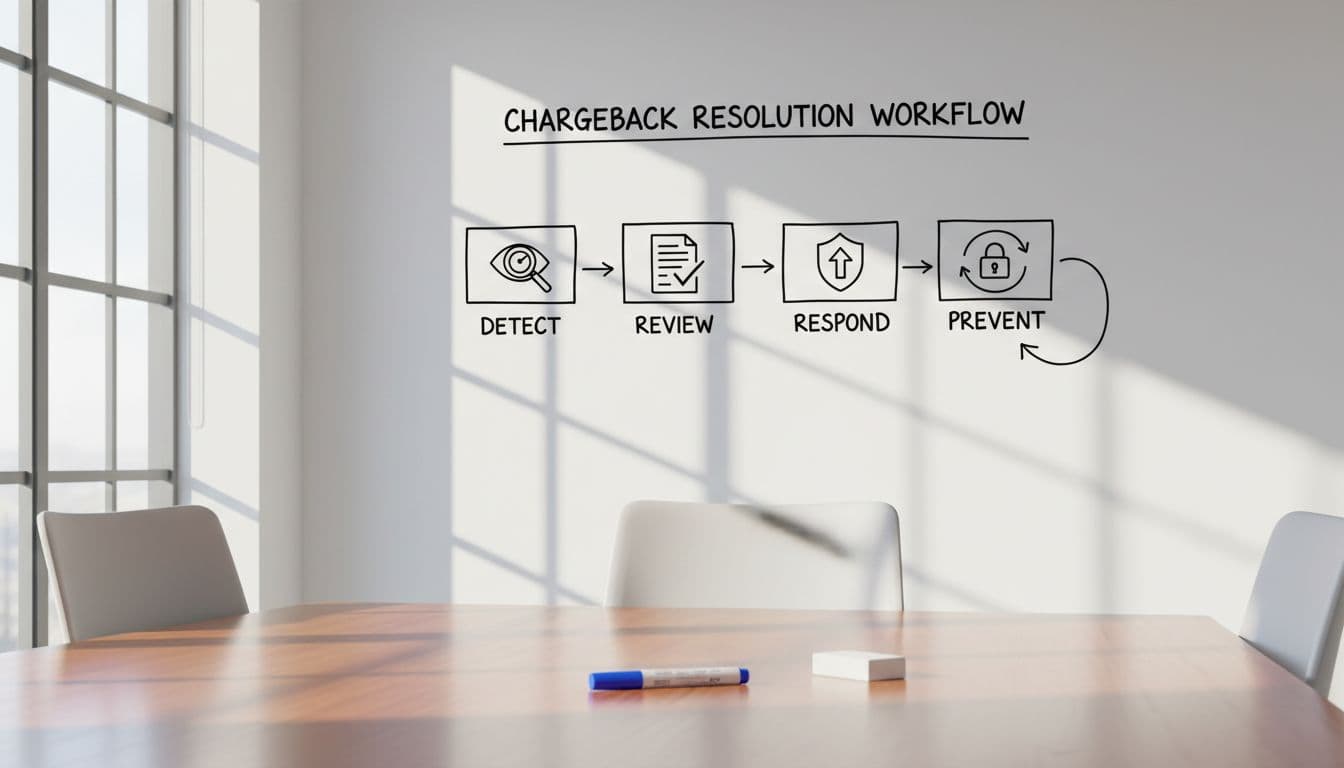
That early-action model counts because chargebacks cost revenue, fees, and team hours in ways dashboards obscure. Chargebase’s pay-per-alert model reflects that math, with coordination alongside your acquirer and issuing bank as part of a healthy strategy. For many merchants, a fast alert and refund costs less than a full dispute. You can learn more about how Ethoca alerts stop chargebacks and broader ways to keep chargeback rates low.
A chargeback reason code is small, but it is rarely minor. It shows where money leaks and which team plugs the hole first.
Start with the ten codes you saw most last quarter. If you can explain each one in plain English, you are already closer to fewer disputes and a healthier chargeback rate for every merchant.
You might also want to read
Uncategorized
Apr 10, 2026
Uncategorized
Apr 08, 2026
Uncategorized
Apr 07, 2026
Uncategorized
Apr 06, 2026