
How to Reduce Cross-Border Chargebacks on International Orders
May 10, 2026
Processing international transactions can grow revenue and raise dispute risk at the same time. A delayed parcel, a strange billing descriptor, or a final bank amount that looks different from checkout can push a customer straight to their issuer.
The good news is that while cross-border payments are essential for growth, they require careful management since many cross-border chargebacks start with confusion, not hard fraud. When you remove that confusion and react faster, dispute rates usually fall. The first step is to see where the friction begins.
Key Takeaways
- Cross-border chargebacks often stem from customer confusion over billing descriptors, currency conversions, shipping delays, or return policies rather than fraud—address these by making every stage of the order recognizable and consistent.
- Use clear, matching billing descriptors across checkout, emails, and statements; display local currency early with explanations of fees; and set realistic international delivery expectations to prevent disputes.
- Build proof files proactively with order details, tracking, IP data, and localized policies, while applying risk-based screening like 3D Secure and velocity rules without blocking legitimate sales.
- Leverage early alert systems like Ethoca, Verifi CDRN, and RDR to act on pre-disputes quickly, and automate with platforms like Chargebase to protect chargeback ratios and revenue.
Why international orders create more disputes
Domestic orders are easier for customers and banks to recognize. International ones add more moving parts, currency conversion, foreign descriptors, customs delays, longer delivery windows, and different return rules. Offering local payment methods can help mitigate confusion compared to standard credit cards. Each extra step raises the odds that the cardholder will question the charge.
The issuing bank also scores cross-border payments more aggressively, and aggressive scoring by the card network can impact authorization rates for foreign sales. The shopper might live in Spain, the merchant may bill from the US, and the item could ship from another country. That mix can look unusual, even when the purchase is valid. Worldline’s look at international e-retail disputes shows how much dispute handling can vary across markets.
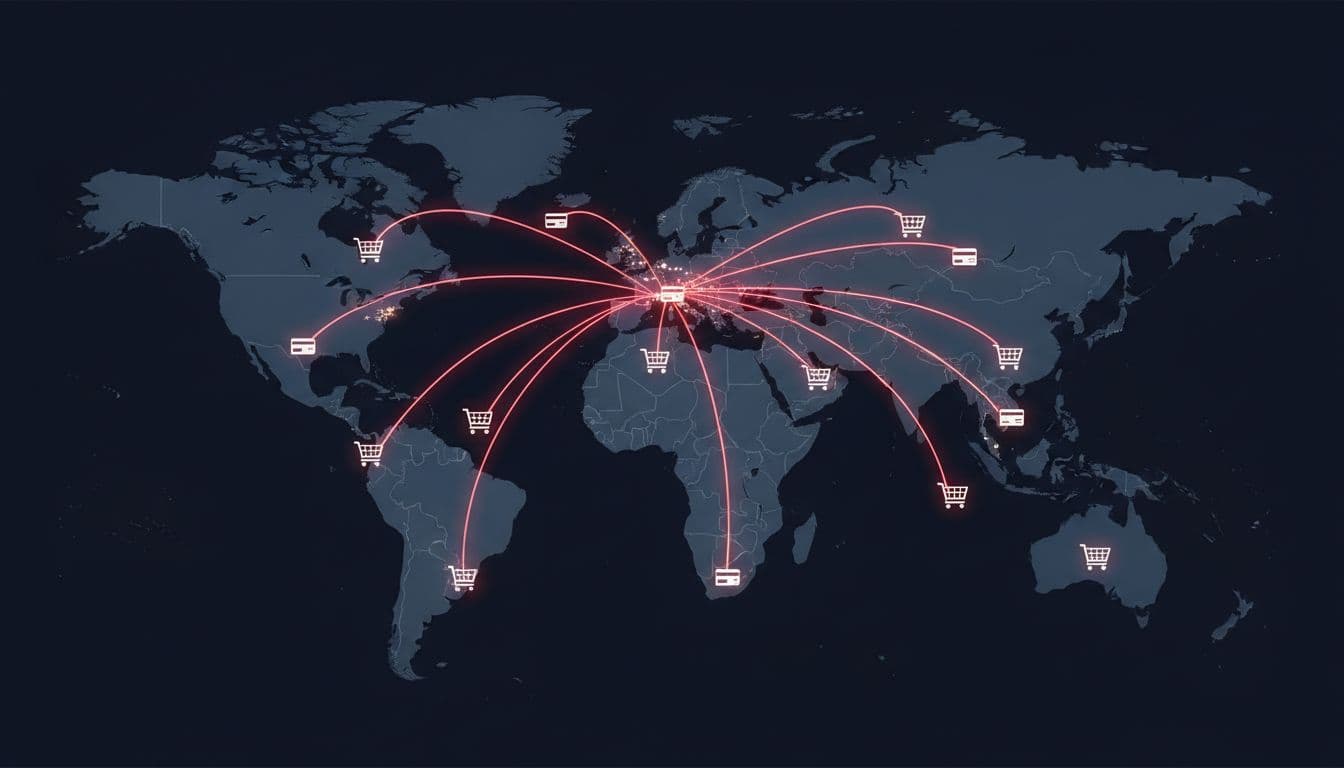
A quick view helps separate the most common triggers from the fixes that matter.
| Common trigger | What the customer sees | What reduces disputes |
|---|---|---|
| Unfamiliar billing descriptor | A merchant name they don’t recognize | Use a clear descriptor and repeat it in order emails |
| Currency differences | A posted amount that looks higher or lower | Show local currency and explain FX or bank conversion |
| Shipping disputes caused by customs delays | “My order never arrived” | Set realistic delivery windows and send tracking updates |
| Return or cancellation confusion | “I asked for help and got no reply” | Make policies simple, localize support, answer fast |
Visa-side data tools can also help cardholders recognize a purchase earlier. If you need a plain-language refresher, What is Verifi? explains how issuer and merchant data sharing can stop some disputes before they become chargebacks.
The main pattern is simple. Customers dispute what they don’t understand or can’t verify. Therefore, the fastest way to cut international chargebacks is to make the order easy to recognize at every stage.
Make checkout, shipping, and billing easy to recognize
A clean checkout does more than lift conversion. It lowers dispute risk because it removes surprises before the payment is captured.
Show the customer the billed currency early, not at the last click, with tools like dynamic currency conversion and currency conversion to clarify final costs. If duties, taxes, or shipping fees may change by destination, say so in plain language. Also show a delivery estimate that matches the route, not your best domestic timeline. International shoppers are patient when expectations are clear. They’re far less patient when the promise feels broken.

Your billing descriptor matters more than most teams think. If your brand name, parent company, and descriptor don’t match, customers often assume fraud. Put the exact descriptor in the receipt email, on the order page, and in your support center. That single step can stop a lot of “I don’t recognize this charge” disputes and forms a pillar of a positive customer experience.
A clear checkout page often prevents more chargebacks than a long response letter written weeks later.
Post-purchase communication matters too. Send order confirmations right away. Include the product name, amount, currency, shipping method, and support contact while maintaining regulatory compliance with clear international tax and duty disclosures. Then send tracking updates before the customer asks. Shopify’s chargeback prevention guide also points to the value of tracked fulfillment and accessible order data.
Subscription businesses need extra care here. Renewal reminders, cancel links, and plain refund terms cut friendly fraud in cross-border billing. Time zones also matter. If a customer in Australia emails support and waits a day for a US reply, the issuer may hear about the problem first.
When checkout, delivery, and support all tell the same story, the order feels familiar. That familiarity is a strong defense against cross-border chargebacks.
Screen smarter and collect proof before you need it
International fraud prevention strategies work best when they are risk-based. If you treat every foreign order as suspicious, you will block good buyers and still miss clever fraud. A better approach is to use merchant risk scoring on orders by route, product type, order value, customer history, and mismatch signals to distinguish between legitimate and fraudulent transactions.
Use extra checks where they fit. That may include 3D Secure, device fingerprinting, BIN intelligence, velocity rules, or manual review for first-time high-value orders. Yet don’t rely on one signal. AVS can be weak or inconsistent across regions, and travelers often create IP or location mismatches that are still legitimate.
The best teams build a proof file before anything goes wrong, serving as compelling evidence during the representment process. Keep the order record, gateway response, customer IP, device details, confirmation email, tracking number, proof of delivery, and support logs in one place. For international orders, save the billed currency and the shopper’s displayed currency if they differ. If your site or policy pages vary by language, keep that version too.
That documentation matters when a bank asks for evidence. This guide to fighting international chargebacks highlights why translated customer messages, tracking records, and local policy copies can strengthen your case.
Speed also matters. If the order is clearly bad, refund it fast. Holding a weak transaction often costs more than giving it back. On the other hand, if the sale is valid, your evidence should be ready before the issuer requests it. Cross-border disputes move quickly, and slow internal handoffs make good cases harder to win.
Stop disputes early with alerts and automation
Once a customer contacts the bank, the clock starts. That is why early-warning programs are so useful for international merchants. They create a window to refund, stop fulfillment, or share transaction details before a formal chargeback hits your chargeback ratio. High dispute rates from these issues can also lead to rolling reserves and increased transaction processing fees.
Two tools matter most here. What is Ethoca? explains Mastercard-side alerts, while Verifi CDRN explained covers a Visa-linked alert path called Cardholder Dispute Resolution Network. Visa RDR works a bit differently because it can auto-resolve eligible pre-disputes using preset rules.
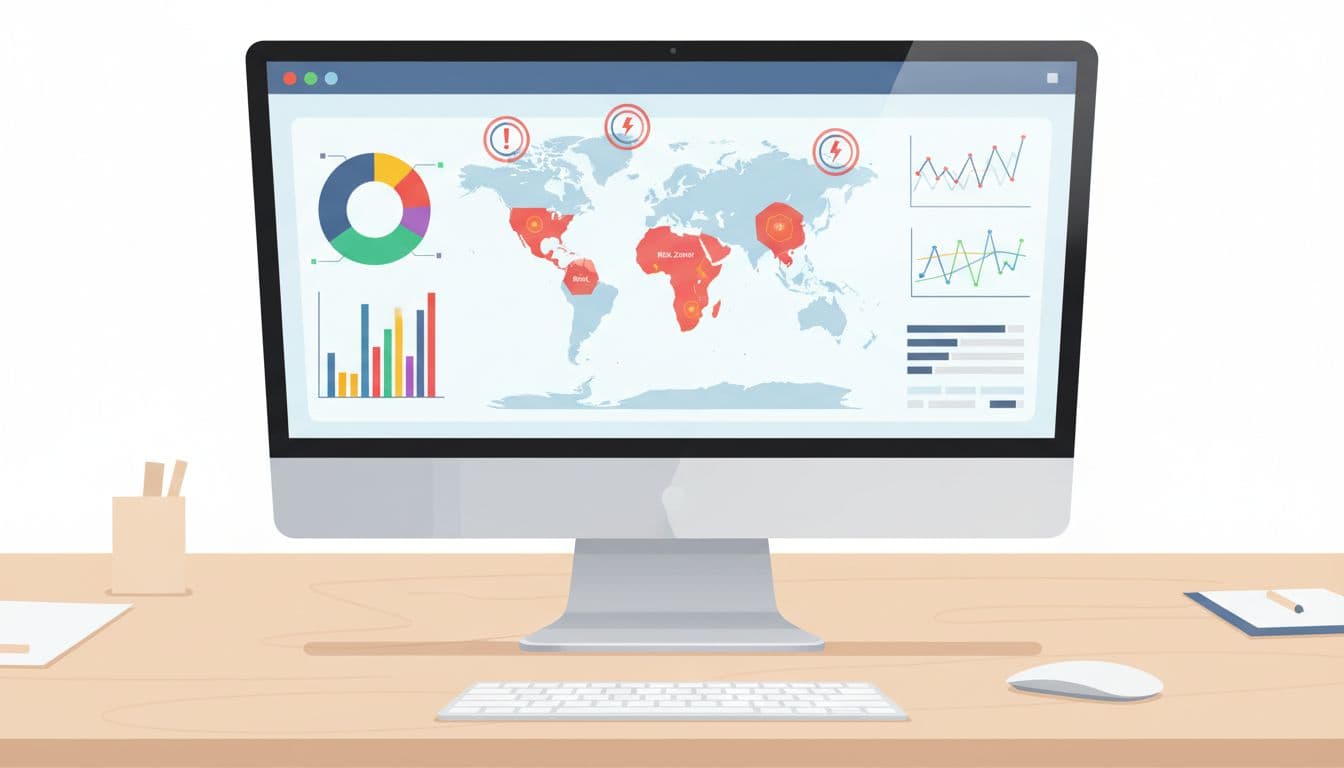
For international orders, that speed is hard to replace. Your support team may be asleep when an issuer alert arrives. Time zone gaps, language gaps, and multiple payment providers can slow a manual response. Alerts and rules close that gap.
This is where Chargebase fits well for many merchants. Chargebase is a chargeback management software platform built for businesses that take payments through payment gateway and other fintech systems. It helps e-commerce and SaaS teams reduce disputes by connecting to payment providers, spotting likely chargebacks, and sending real-time alerts while the case can still be stopped.
Chargebase also works with Ethoca, Verifi, CDRN, and RDR programs, so merchants don’t need to stitch together each workflow by hand. Its setup is designed to be quick and no-code, and its alert handling can be automated with more than 10 rule options in RDR. That matters when your team handles high order volume across several countries.
Good alert tools should not flood staff with noise. They should surface cases you can still act on. Chargebase’s model is built around that idea, with automated evidence assembly saving merchants time on responses, and its pay-per-alert pricing keeps the cost tied to actual cases rather than a large flat fee. If you resolve an eligible alert in time, the dispute often never becomes a network chargeback. That helps protect both revenue and chargeback ratios. For a broader view of that approach, these tips to keep chargeback rates low are worth a read.
Frequently Asked Questions
Why do international orders lead to more chargebacks?
International transactions add friction like currency differences, unfamiliar descriptors, customs delays, and varying return rules, making charges harder for customers and banks to recognize. Issuing banks score cross-border payments more aggressively, raising dispute odds even for valid sales. Clear communication at every step, from checkout to delivery updates, cuts these risks significantly.
How can a billing descriptor reduce disputes?
An unfamiliar descriptor prompts ‘I don’t recognize this charge’ disputes, especially across borders. Match your brand name, parent company, and descriptor exactly, then repeat it in order emails, receipts, and support pages. This simple consistency builds familiarity and stops many inquiries before they reach the bank.
What are early alert systems and how do they help?
Tools like Ethoca (Mastercard), Verifi CDRN, and Visa RDR send pre-dispute alerts, giving merchants time to refund, clarify, or resolve before a formal chargeback hits. They bridge time zone and language gaps in international ops, preventing ratio damage. Automation via platforms like Chargebase makes responses fast and rule-based.
How should merchants prepare evidence for cross-border representment?
Collect order records, gateway responses, IP/device data, tracking proofs, emails, and localized policy versions in one file before disputes arise. Save billed vs. displayed currencies and translated support logs for stronger cases. Speed matters—have it ready when issuers request, as cross-border disputes move quickly.
Conclusion
International growth usually brings more payment friction, but it doesn’t have to bring more disputes. The merchants with the lowest cross-border chargebacks tend to do the same few things well: they remove confusion, collect strong order evidence, and act before a complaint turns into a formal case.
That means better billing clarity, tighter risk rules, faster support, and early alerts that buy your team time. Combining global acquiring strategies with proactive dispute resolution can further stabilize international revenue. When those pieces work together, cross-border chargebacks stop feeling random and start looking manageable.
You might also want to read
Chargeback Management & Software Overview
Dec 31, 2025
Chargeback Analytics & Reporting
Jan 02, 2026
Chargeback Management & Software Overview
Jan 13, 2026