
Reducing Dropshipping Chargebacks in 2026 Without Losing Sales
Apr 08, 2026
Shipping delays can make a late package cost more than the product inside for your ecommerce business. In dropshipping, one unhappy buyer can trigger a refund, a fee, and a chargeback from the bank.
That pressure is growing in 2026. Recent industry estimates point to hundreds of millions of ecommerce disputes worldwide, and dropshipping stores get hit hard because slow delivery, unclear billing, and weak support still push buyers to dispute first.
Most dropshipping chargebacks don’t begin with fraud. They begin with a preventable gap in the customer experience.
Key Takeaways
- Most dropshipping chargebacks stem from preventable customer experience gaps like slow shipping, unclear billing, and weak communication, not fraud, with costs often exceeding $300 per case including fees and lost time.
- Promise realistic delivery times across product pages, carts, and emails, send tracking updates promptly, and use clear billing descriptors matching your store name to cut ‘item not received’ and recognition disputes.
- Score suppliers monthly on delivery speed and quality, enforce checkout controls like CVV/AVS/3D Secure, and keep four key records per order: confirmation, tracking, support messages, and refunds for strong representment.
- Use early alert networks like Ethoca, Verifi, RDR via automation tools to catch pre-disputes for fast refunds, protecting your chargeback ratio before processors intervene.
Why dropshipping chargebacks are climbing in 2026
Chargebacks hurt more than revenue. They also drain team time, raise processor risk, and can push your chargeback ratio toward warning levels. For many stores, a single dispute costs far more than the order value once chargeback fees, shipping, staff time, and lost inventory are added. Some 2026 estimates put the average cost above $300 per case.
Long delivery windows sit at the center of the problem. Many dropshipping products still take more than two weeks to arrive, especially in electronics and gift-heavy categories. When the buyer expects marketplace speed and gets a slow overseas route, frustration grows fast.
Payment processors don’t care whether the cause was fraud, a late parcel, or a sloppy descriptor. If your store drifts near common thresholds such as 0.6% to 1%, you can face extra reviews, reserves, or tighter terms. A rising chargeback ratio puts your merchant account at risk. That turns chargebacks from a support issue into a payment risk issue.

Friendly fraud also plays a big part. A customer may recognize the package but not the billing name. Another may see no tracking update and assume the order is lost. If your team needs a quick refresher on how banks reverse card payments, this chargeback lifecycle overview explains the flow clearly.
Several 2026 merchant guides echo the same pattern. Spocket’s breakdown of dropshipping chargebacks ties disputes to slow fulfillment, weak communication, and poor documentation. In other words, the chargeback often shows up weeks after the real mistake. While friendly fraud stems from confusion or accidents, criminal fraud involves deliberate theft, and both can spike disputes.
Fix shipping, billing, and checkout before disputes start
The fastest win is simple, promise less and deliver faster. If your supplier regularly ships in 18 days, don’t advertise 7-day delivery, which causes shipping delays. Set a realistic range in your product descriptions on the product page, in the cart, and in the order email. Accurate product descriptions like these prevent “item not received” claims. Then send tracking numbers as soon as a label exists, and keep sending updates until delivery.
If the tracking page looks empty, the buyer fills in the blanks with doubt.
Billing clarity matters just as much. Use a descriptor that matches your store name, not a legal entity the customer has never seen. Add your support email to receipts. Keep your refund policy and return rules easy to find. A buyer who can solve a problem in two clicks is less likely to call the bank.
Checkout also needs tighter controls. Run CVV and AVS verification. Use 3D Secure where it fits your conversion mix. Block mismatched country signals from high-risk countries on high-risk orders. For post-purchase follow-up, Webgility’s chargeback prevention guide makes a smart point, many disputes come from silence after the sale.

Also, score dropshipping suppliers every month. Track on-time delivery, valid tracking, damaged items and counterfeit goods, and response speed. If a supplier misses the mark twice, cut them. In dropshipping, your supplier is your warehouse for inventory management, whether you like it or not. That matches AutoDS’s 2026 guide to dropshipping chargebacks, which treats supplier quality and return handling as core risk controls.
Keep four records for every order:
- the order confirmation
- tracking numbers and delivery status
- customer service messages
- proof of refund or reshipment
Those files turn a messy dispute into a clear timeline.
Use early alerts and automation to stop chargebacks fast
Manual review works until volume climbs. Then one missed alert on a Friday can become a formal dispute by Monday. That’s why early-warning programs matter to prevent chargebacks. Tools tied to Ethoca, Verifi, RDR, and CDRN serve as essential fraud prevention tools that surface trouble before it becomes a chargeback, which gives you a short window to refund, stop shipment, or fix the issue.
For merchants that want software instead of spreadsheets, Chargebase is a comprehensive chargeback management platform for ecommerce business and SaaS businesses. It helps companies prevent chargebacks by connecting payment providers, watching for pre-dispute signals, and sending real-time alerts only when action can still help. Chargebase is also an official partner of Ethoca and Verifi, and it supports automated workflows with more than 10 rule options for RDR, so teams can choose when to auto-refund and when to review first.
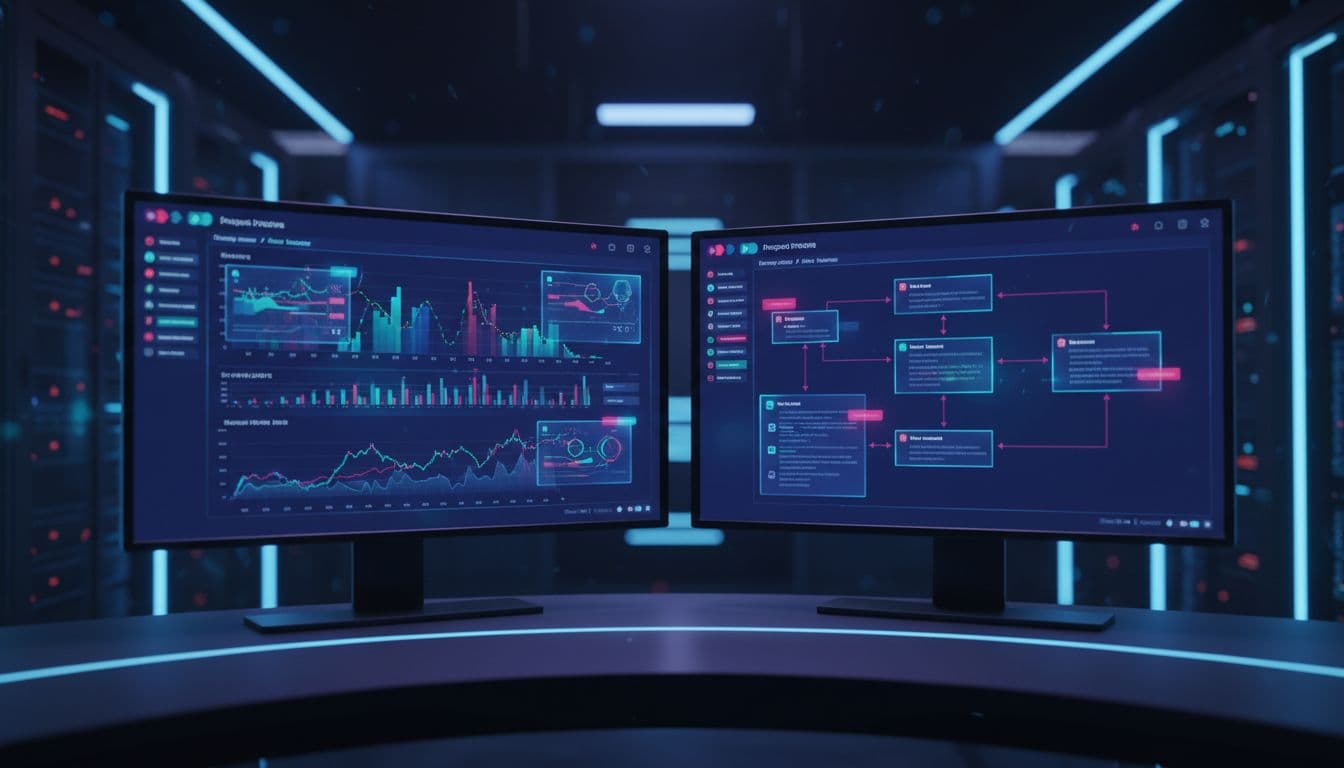
That matters for dropshippers because speed beats paperwork, especially when manual review falls short compared to automated fulfillment. Chargebase works with programs like Ethoca, RDR, and CDRN, uses global merchant data to improve decisions, and follows a pay-per-alert model that is easier to test than a large fixed contract. Enrollment times vary by program, so setting this up before peak season is smarter than waiting for a spike.
If you want more background, this guide on using Ethoca to prevent chargebacks and these tips to keep chargeback rates low with alerts explain why fast refunds often protect the ratio better than late disputes.
Frequently Asked Questions
Why are dropshipping chargebacks rising in 2026?
Dropshipping chargebacks are climbing due to long delivery windows from overseas suppliers, mismatched buyer expectations for fast marketplace speeds, and issues like unclear billing or poor tracking updates. These trigger ‘item not received’ or friendly fraud claims, pushing ratios toward risky thresholds like 0.6-1%. Processors respond with reserves or account reviews, turning support problems into payment risks.
How can realistic shipping promises prevent chargebacks?
Set accurate delivery ranges on product pages, carts, and order confirmations instead of optimistic 7-day claims for 18-day suppliers to avoid frustration. Send tracking as soon as labels print and update regularly, since empty tracking pages breed doubt. This simple step slashes ‘item not received’ disputes before buyers contact their bank.
What role do early alert programs play in chargeback prevention?
Tools connected to Ethoca, Verifi, RDR, and CDRN alert you to pre-disputes, giving a window to refund proactively or fix issues like shipment stops. Automation beats manual review for high volume, with pay-per-alert models easy to test. They protect ratios better than fighting formal chargebacks, especially for dropshippers.
What records are essential for fighting chargeback disputes?
Keep order confirmations, tracking/delivery proof, all customer service exchanges, and refund/reshipment evidence for every order. These create a clear timeline that counters buyer claims effectively during representment. Review patterns by reason code and supplier monthly to spot and fix root causes.
The bottom line for 2026
Dropshipping chargebacks fall when shipping promises, billing details, a clear refund policy, and customer service speed all match the buyer’s experience. Proactive customer service is the best way to prevent chargebacks before they reach the card issuer. Fix the slow lane first, then add alert automation for the cases that still slip through. For disputes that occur, prepare for representment with compelling evidence like delivery confirmation.
If your chargeback ratio is creeping up, review last month’s chargebacks by chargeback reason code and supplier. The pattern will tell you where to act next for better dispute resolution.
You might also want to read
Uncategorized
Apr 10, 2026
Uncategorized
Apr 09, 2026
Uncategorized
Apr 07, 2026
Uncategorized
Apr 06, 2026