
How to Prevent Duplicate Chargebacks at Checkout
May 21, 2026
One extra click can turn one sale into two charges, one refund request, and one dispute.
Duplicate chargebacks usually start long before a bank opens a case. They come from weak checkout logic, delayed payment updates, unclear billing, or refunds that move too slowly. If you fix those gaps at checkout and right after payment, you can cut a large share of avoidable disputes.
The first step is to treat duplicate billing as a systems problem, not only a customer behavior problem.
Why duplicate chargebacks happen more often than teams think
Banks usually code duplicate charges as merchant error. That puts the burden on your business, even when the trigger was a timeout, a retry, or a confusing pending charge. As merchant error chargebacks go, duplicate processing is one of the easier problems to reduce because the causes sit inside your payment flow.
The obvious case is a customer clicking “Pay” twice. However, that is only one path. A second charge can also come from a page refresh after a slow response, a mobile connection drop, a webhook that arrives late, or a support rep retrying a payment that already went through. Sometimes the first payment succeeds, but the confirmation page fails. The buyer sees an error, assumes nothing happened, and tries again.
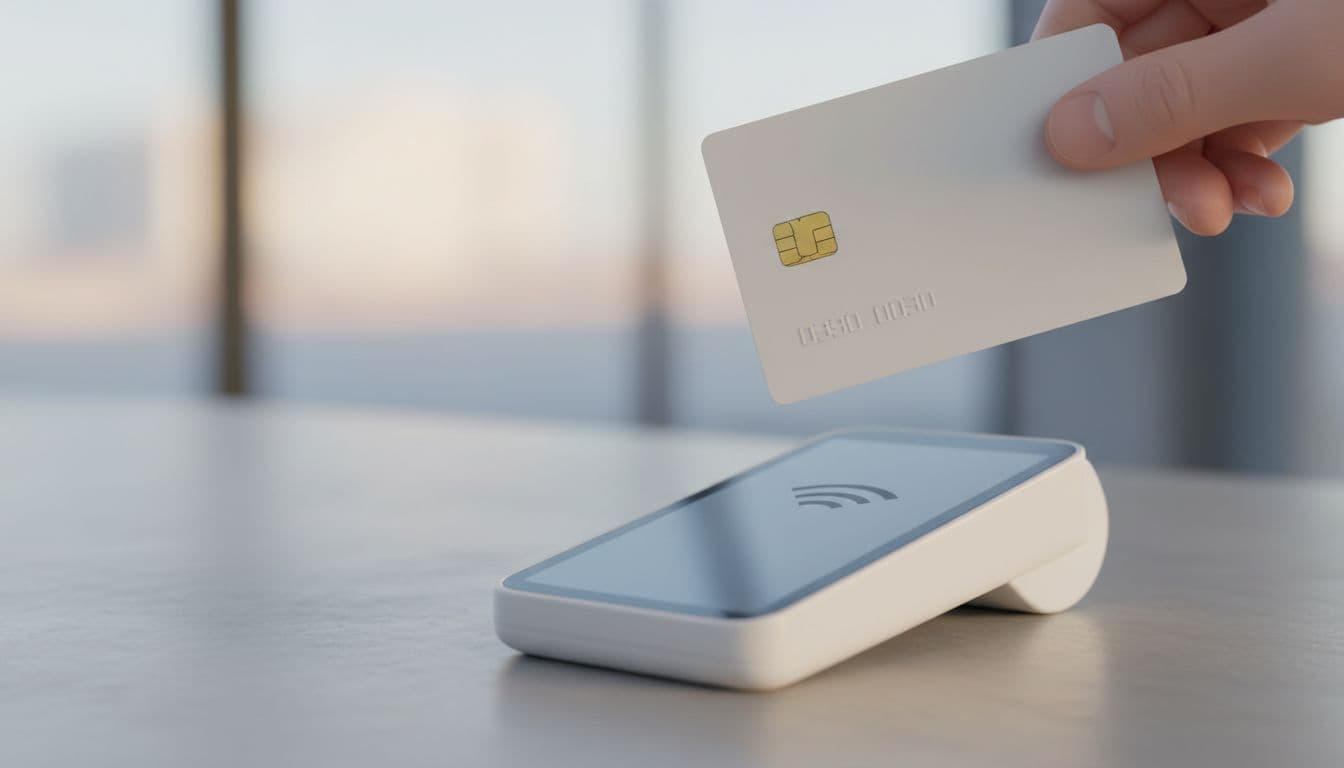
There is also a big difference between a duplicate authorization and a duplicate capture. Two authorizations may clear if one is reversed fast enough. Two captures for the same order are much worse, because the customer sees two settled charges and often goes straight to the bank.
A duplicate chargeback usually starts when your systems cannot tell a retry from a new order.
Customer confusion makes the problem bigger. If your statement descriptor looks unfamiliar, the buyer may think both charges are fraud. If support cannot quickly explain that one line is pending and will fall off, the dispute window opens fast. In other words, duplicate chargebacks are rarely caused by one bad button alone. They show up when checkout, payment state, and customer messaging do not match.
Build checkout controls that stop double submissions
The checkout page should act like a gate. After the first click, disable the pay button, show a clear processing state, and keep that state visible until you know the result. That simple front-end control prevents many accidental double submissions during slow loads. A practical guide on duplicate transaction chargebacks points to the same patterns: double-clicks, repeat authorization attempts, and broken sync between order and payment records.
Still, button locking is only the first layer. The stronger control lives on the server. Each order needs one payment intent, and repeated requests for that order should return the same result, not create a new charge. That is where idempotency keys matter. If the same request hits your payment service twice, the second call should resolve to the first transaction.
A few checkout rules do most of the heavy lifting:
- Use idempotency keys on every payment request, not only on wallet payments.
- Tie each order ID to one payment intent and one final capture path.
- Keep retries on the server side, because browsers do not know the real gateway state.
- Block manual rebilling while a payment is still unresolved.
Those rules need testing, too. Many teams test the happy path and miss the real-world failure path. Run checkout QA with slow networks, back-button use, tab refreshes, and delayed webhooks. If the payment is successful but your success page is late, the customer should still land on an order status screen that checks the gateway before allowing another charge.
Staff workflows deserve the same care. If your support team has a “charge again” button but no payment lookup tool, you are inviting duplicate captures. The safer path is simple: before anyone retries a card, the system should check whether an auth, capture, void, or refund already exists for that order.
Keep payments, orders, and customer messages in sync
Most duplicate chargebacks are not caused by one checkout bug. They come from systems that disagree. The cart says “unpaid,” the gateway says “captured,” the order system says “retry,” and support sees no payment history. That gap is where duplicate billing takes root.
A quick comparison makes the weak spots easier to spot:
| Failure point | What goes wrong | Better fix |
|---|---|---|
| Delayed webhook | Payment succeeds, but the order still looks unpaid | Check the gateway before allowing a second charge |
| Duplicate capture call | The same auth is captured twice | Store capture status against the order ID |
| Manual staff retry | A team member rebills during an unclear payment state | Show payment history before any retry |
| Slow refund posting | The customer sees two settled charges and disputes one | Refund fast and send confirmation at once |
Good matching logic is just as important. Flag repeat transactions that share the same customer, amount, card token, merchant account, and short time window. At the same time, do not block every similar charge. A SaaS renewal, plan upgrade, and add-on can all happen on the same day. Strong rules use invoice IDs, order references, and product context, not amount alone.
Daily reconciliation also helps. Compare authorizations, captures, voids, refunds, and order status every day. If two captures slip through for one order, refund one before the customer spots it on a statement. The earlier you catch it, the lower the chance of a formal dispute.
Then there is the customer-facing side. Your billing descriptor should look like your brand, and it should point buyers to support. Your receipt should show the amount, order number, and what the charge covers. If you sell subscriptions, explain renewals, upgrades, and proration in plain language. Many duplicate chargebacks start when the math is correct but the receipt is not clear.
Support scripts matter as well. Train agents to explain the difference between a pending authorization, a reversal, and a settled duplicate charge. If one line is pending, say so clearly and give the expected release window. If both charges settled, issue the refund fast and confirm it by email. A customer who sees movement tends to wait. A customer who sees silence often disputes.
Catch duplicate disputes early with alerts and automation
Even strong checkout controls will miss some edge cases. That is why early alerts matter. Programs such as Ethoca, CDRN, and RDR can surface a customer complaint while there is still time to refund, stop fulfillment, or close access before a formal chargeback lands.
For merchants handling volume, software makes this much easier. Chargebase is a chargeback prevention platform for ecommerce and SaaS businesses that want to reduce disputes before they hit the bank. It connects to payment providers, watches for likely chargebacks, and sends real-time alerts when action can still stop the case. That keeps teams from chasing every order manually.
Chargebase also automates much of the dispute-prevention workflow. Merchants can set more than ten automation rules, choose how alerts should be handled, and use refund paths that fit the program involved. Some networks allow manual or automated refund responses, while others focus on auto-resolution of pre-disputes. Chargebase also uses a pay-per-alert model, so costs stay tied to actual prevention activity instead of a flat platform fee.
The operating model is simple: connect, detect, prevent. Setup is quick, often with no-code integration, and the system focuses on alerts that can still help instead of flooding teams with noise. For most companies that accept card payments through gateways or other fintech systems, that combination can reduce the number of chargebacks and cut the staff time lost to cleanup.
If your team needs background on alert networks, Chargebase has a clear explainer on how Ethoca prevents chargebacks. The main point is straightforward: early notice gives you time to act, and time is what duplicate disputes usually take away.
Conclusion
Duplicate chargebacks are usually created by your payment flow, not by chance. One order should map to one payment intent, one capture, and one clear customer message.
When checkout controls, system sync, refund speed, and early alerts work together, duplicate disputes drop fast. That is why prevention at checkout beats fighting a chargeback after the customer has already gone to the bank.
You might also want to read
Chargeback Management & Software Overview
Dec 31, 2025
Chargeback Analytics & Reporting
Jan 02, 2026
Chargeback Management & Software Overview
Jan 13, 2026