
Pre-Arbitration Explained for Merchants in 2026: A Guide to Dispute Management
Mar 19, 2026
You thought the chargeback fight was over. Then another notice lands in your queue. That’s often pre-arbitration, and it catches a lot of merchants off guard.
In simple terms, pre-arbitration is the stage after a merchant answers a chargeback and the issuer still disagrees. It’s not an early warning alert. It’s a late-stage dispute, closer to final escalation. In 2026, that matters more because chargeback volumes are expected to reach 337 million worldwide, and each disputed dollar can cost merchants about $3.75 once fees, labor, and lost goods are counted. For finance, support, and risk teams, the hard part is knowing when to accept the loss and when to push one step further.
What Pre-Arbitration Merchants Need to Know First
If you want the full chargeback lifecycle explained, the short version is this: alert or inquiry, first chargeback, representment, pre-arbitration, then arbitration. Pre-arbitration sits near the end. The issuer uses it to say, “We reviewed your response, and we still want the funds back.”
Pre-arbitration is not a pre-dispute alert. It is a second round after representment.
That difference matters. Alert programs like Ethoca, CDRN, and RDR try to stop a case before it becomes a formal chargeback. Pre-arbitration happens after the case already moved through the network. It can feel like reopening a closed ticket, only now the stakes are higher and the margin for error is smaller.
Card networks and processors use slightly different terms and deadlines. Still, the pattern is similar across providers, and Checkout.com’s explanation of pre-arbitration and arbitration follows the same logic most merchants see in practice.
A quick comparison makes the stages easier to spot:
| Stage | When it happens | Merchant goal |
|---|---|---|
| Alert or inquiry | Before a formal chargeback | Refund or solve fast |
| First chargeback | After the issuer files the dispute | Decide whether to fight |
| Pre-arbitration | After representment is rejected | Accept loss or escalate |
| Arbitration | Final network review | Use only for strong cases |
The takeaway is simple. Pre-arbitration means the disagreement survived the first fight. By this point, response windows are short, often days, not weeks.
How the Pre-Arbitration Process Works in Real Life
A pre-arbitration case usually starts as a normal chargeback. The merchant sends evidence, such as delivery proof, login records, usage data, cancellation terms, or customer messages. Then the issuer reviews that package. If the issuer still believes the cardholder has a valid claim, it can push the case into pre-arbitration.
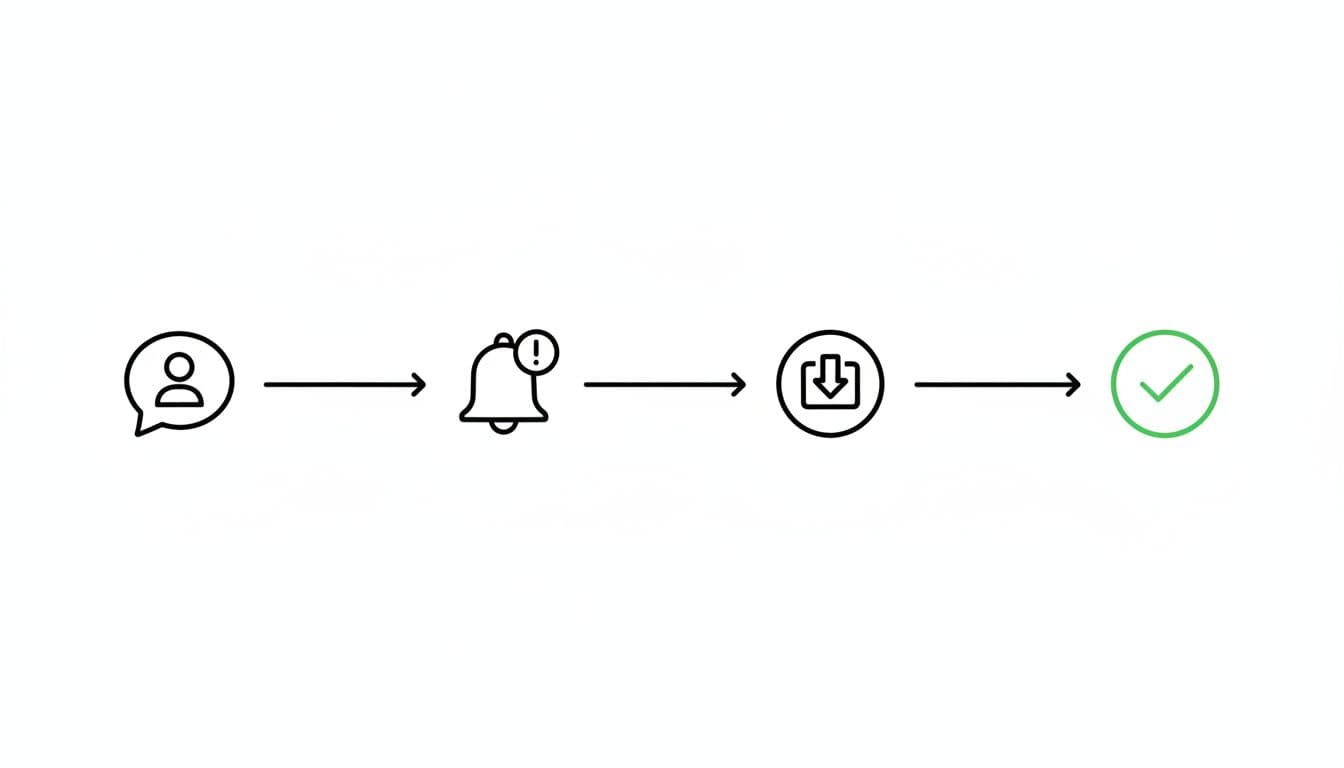
From there, merchants usually have three choices:
- Accept the case and let the funds go.
- Respond again if new facts or strong evidence exist.
- Move toward arbitration when the amount and evidence justify the extra cost.
This is where many teams make a bad trade. They treat every pre-arbitration like a matter of principle. Yet principle doesn’t pay network fees. If the transaction value is small, or the evidence is thin, fighting can cost more than losing.
A better test is practical. Ask whether your proof answers the issuer’s last objection. If it doesn’t, the case is weak. For example, “package delivered” may not beat a fraud claim. On the other hand, detailed login history, device data, renewal notices, and clear cancellation records may help in digital goods or subscription cases.
Common triggers include recurring billing confusion, goods not received claims, and friendly fraud. That last category is a big one. Merchants often underestimate how many valid purchases later get disputed. If you want another merchant-focused view of the late stages, this guide to pre-arbitration and arbitration gives a useful breakdown.
Why 2026 Merchants Should Focus on Prevention, Not Just Response
The best pre-arbitration strategy starts earlier. Once a case reaches pre-arbitration, the cheap fixes are usually gone. Refund options narrow, labor rises, and network costs get closer. That matters even more for subscriptions and high-ticket items, where confusion and friendly fraud show up often.
That’s why more merchants now use alert programs before disputes harden. Market data for 2026 shows that pre-chargeback alerts and automated responses can cut cases by roughly a third. Alerts usually cost far less than a full chargeback, often $15 to $40 each, while a formal dispute can cost much more after fees, lost goods, and staff time.
Chargebase fits that early-action model. It’s chargeback prevention and recovery software for merchants that accept card payments through gateways and fintech systems. As an official partner of Ethoca and Verifi, Chargebase uses global merchant data, connects to payment providers in about two minutes, and helps reduce chargebacks before they hit your ratio. It also offers real-time alerts, more than 10 automation rules, and a pay-per-alert model. Based on its published examples, Ethoca alerts are about $25 each, while RDR and CDRN are about $15 each. Some networks allow auto-refunds, while others support manual review. Enrollment can take hours or a few days, so it pays to set this up before disputes spike.
For merchants trying to lower dispute rates, Chargebase’s guide to Ethoca’s role in chargeback prevention and its tips to keep chargeback rates low with alerts are useful next reads.
Network thresholds are not generous. Benchmark data often places danger zones near 0.65% for Visa and 1% for Mastercard. So the smartest play is simple: fix confusing billing, send clear renewal notices, use alerts where they make sense, and fight only the cases with strong proof. If a dispute still keeps moving, Stripe’s overview of arbitration across card networks is helpful for understanding the cost side.
Final take
Pre-arbitration feels like a surprise sequel, but the plot is simple. The issuer reviewed your first response and wants another round. For merchants, that means two habits matter most: know when to stop fighting, and build systems that stop weak disputes long before they reach this stage. In 2026, the merchants protecting margin best won’t just win more cases, they’ll prevent more of them.
You might also want to read
Uncategorized
Apr 10, 2026
Uncategorized
Apr 09, 2026
Uncategorized
Apr 08, 2026
Uncategorized
Apr 07, 2026