
How to Identify Chargeback Trends Before Ratios Spike
Apr 12, 2026
A chargeback ratio spike is like a fever, it usually shows up after the problem has spread. By the time the headline number jumps, the damage often started days or weeks earlier.
If you accept card payments, that delay can hurt. You lose revenue, pay dispute fees, and spend time on cases that were often avoidable. The good news is that chargeback trends leave clues long before your ratio gets attention from a processor or card network.
Watch patterns, not just the monthly ratio
Most teams check chargebacks once the month closes. That’s too late. Networks and processors care about the ratio, but your team needs earlier signals.
Start with weekly views, then go narrower when needed. A ratio can look stable for the month while one product line, billing cohort, or traffic source quietly gets worse. That’s why smart merchants track disputes by card brand, country, fulfillment method, descriptor, and subscription renewal date.
It also helps to separate the main causes. Some disputes come from true fraud. Others come from first-party misuse, where the buyer did make the purchase but still disputes it. A third group comes from merchant mistakes, such as unclear billing, duplicate charges, shipping trouble, or hard-to-find cancellation options. If your team needs a refresher on those buckets, this guide on understanding chargebacks gives a solid foundation.

Look for clusters, not isolated cases. If “product not received” rises after a warehouse change, that’s a trend. If “fraud” jumps on one affiliate source, that’s another. A useful rule is simple: compare dispute rates against transaction volume in the same slice. Raw counts can fool you during busy periods.
The ratio is the lagging metric. The real warning signs show up in operations, support, and refunds first.
The leading indicators that reveal chargeback trends early
Early detection works best when finance, support, fraud, and ops share the same scorecard. You don’t need a giant dashboard. You need a small set of leading indicators that update often.
These are the signals worth tracking side by side:
| Early signal | What it often points to |
|---|---|
| More “I don’t recognize this” tickets | Weak billing descriptor or forgotten renewals |
| Refund requests rising after bill date | Subscription confusion or buyer’s remorse |
| Late delivery or tracking gaps | Non-receipt disputes coming soon |
| More failed cancels or pause requests | Future recurring-billing disputes |
| One campaign or BIN range worsening | Fraud or low-quality traffic source |
The takeaway is simple. Many chargeback trends start as customer experience issues, not bank issues.
Outside research supports that view. Sift’s write-up on chargeback trends and fraud strategies shows how first-party fraud and category-specific shifts can move quickly. At the same time, broader industry overviews, such as this chargeback management guide, remind merchants that the true cost goes far beyond the lost sale.
Once you see a pattern, set a trigger. For example, if descriptor complaints rise 15 percent week over week, review your statement descriptor and renewal emails that day. If late-shipment disputes increase after a carrier delay, update delivery promises before the next batch goes out. Small actions taken early often do more than a perfect representment sent too late.
That’s also how you reduce your chargeback ratio, because fewer disputes ever become formal chargebacks.
Use alerts and automation before disputes harden
Early-warning programs matter because they shorten the gap between a customer complaint and your response. Instead of hearing about a dispute after the funds are gone, you may get a chance to act while a refund or account fix can still stop it.
That’s where Chargebase fits well for many merchants. Chargebase is chargeback prevention software built for e-commerce and SaaS teams, and it can help most companies that accept card payments reduce chargebacks. It connects with payment providers quickly, automates dispute handling, and uses networks and programs such as Ethoca, Verifi CDRN, and RDR to catch trouble early.
Some tools send alerts so your team can review and refund in time. Others, like rules-based RDR flows, can auto-resolve eligible cases. Chargebase supports both styles, with real-time alerts, configurable automation rules, and pay-per-alert pricing. For many teams, that’s easier to manage than building an in-house dispute workflow from scratch.
If you want a plain-language explanation, this article on how Ethoca alerts work explains why speed matters so much.
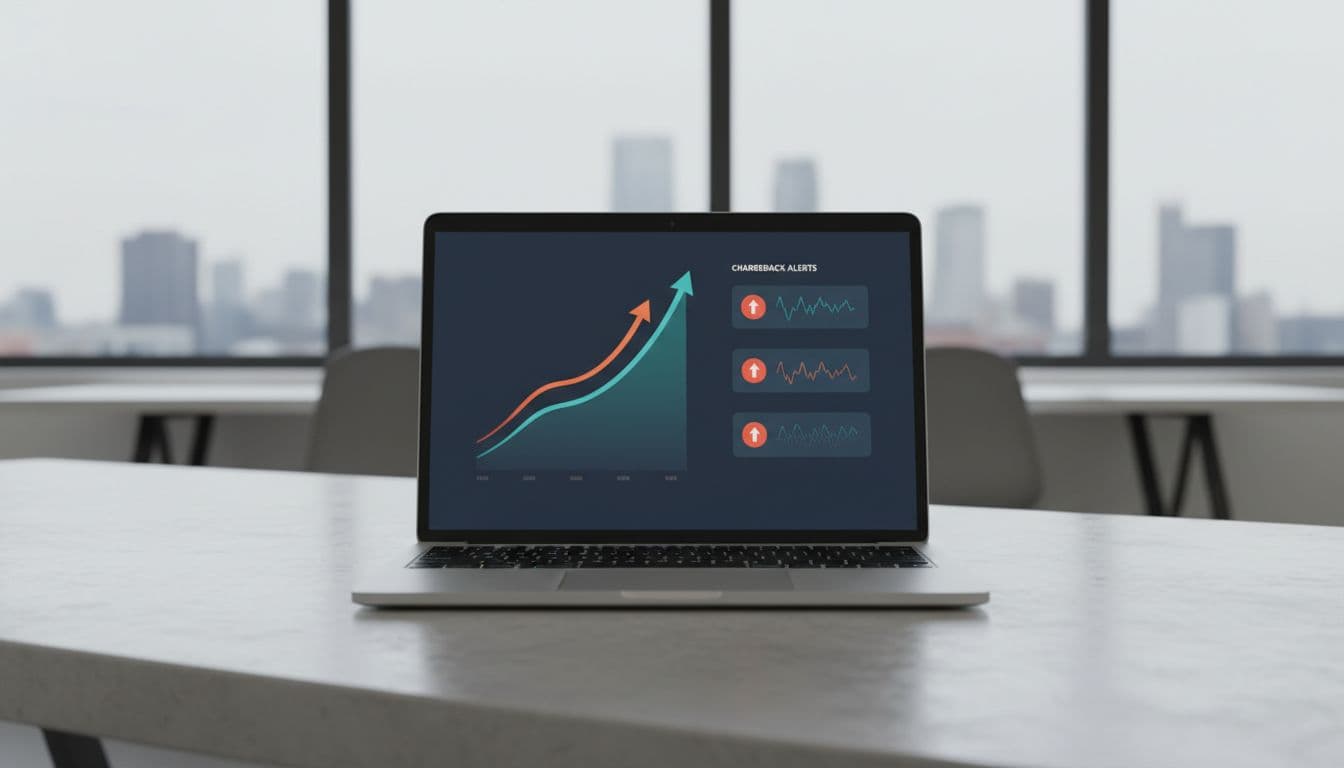
The key is response time. An alert sitting in an inbox over the weekend won’t help. Route alerts to the team that can issue a refund, stop shipment, pause a renewal, or contact the customer fast. In many setups, when you resolve an alert before it becomes a formal dispute, it won’t weigh on your ratio the same way a chargeback would.
Build a weekly review loop that catches drift
Chargeback trends are easier to catch when someone owns the review. A short weekly meeting is enough if the right data is on the screen.
Review the same few items every week: dispute rate by reason, alert-to-action time, refunds after billing, top risky SKUs, and the channels creating the most complaints. Then ask one hard question, what changed since last week? New traffic sources, policy edits, shipping delays, retry logic, and pricing tests all leave fingerprints.
Don’t stop at spotting the trend. Assign one action and one owner. If a renewal cohort starts producing “unrecognized” disputes, test a clearer billing descriptor and pre-renewal email. If one campaign produces fraud-heavy orders, cut it fast.
Ratios rarely spike out of nowhere. They build through missed signals, slow responses, and small issues no one linked together.
The merchants that stay below the line don’t wait for the final number. They treat chargeback trends as an early warning system, and they act while the fix is still cheap.
You might also want to read
Chargeback Management & Software Overview
Dec 31, 2025
Chargeback Analytics & Reporting
Jan 02, 2026
Chargeback Management & Software Overview
Jan 13, 2026
Chargeback Prevention & Fraud Reduction
Jan 26, 2026