
Stripe Billing Chargeback Prevention in 2026: What Still Works
Apr 29, 2026
A single disputed renewal can cost more than the refund. It adds fees, raises your dispute rate, and pulls your team into rework.
For subscription businesses, stripe chargeback prevention usually starts with customer confusion, not criminal fraud. A vague billing descriptor, a missed trial reminder, or a hard-to-find cancel option can trigger the same damage as a stolen card. In 2026, the strongest setup blends billing clarity, fraud controls, and fast pre-dispute action.
Why Stripe billing disputes keep happening
Recurring payments create a special kind of risk. Customers forget a trial rolled into a paid plan. Finance teams see a card statement name they do not recognize. A user cancels one seat, then disputes the next invoice because the account still renewed for the rest of the team.
That is why good Stripe chargeback prevention starts by separating fraud disputes from billing disputes. Fraud tools can block stolen cards. They cannot fix a messy renewal flow or unclear invoice emails.
Stripe gives merchants several useful layers. Its dispute prevention tools can add more transaction context, help cardholders recognize a charge, and in some cases stop a dispute before it opens. Meanwhile, fraud prevention guidance from Stripe still points to a simple rule: if a payment is clearly fraudulent, refund it fast instead of waiting for the chargeback.

The cost of waiting is easy to miss. As of 2026, Stripe dispute fees are commonly around $15 per case, and a dispute rate near 1% can bring extra scrutiny. Stripe’s Chargeback Protection can help with eligible fraud losses, but it does not cover every reason customers file disputes. Service issues, renewal complaints, and “item not as described” claims still land on your desk.
Smart Disputes and AI-assisted evidence can cut manual work after a case opens. Still, prevention matters more. Once the bank has created the chargeback, your options narrow and your ratio already takes the hit.
Build prevention into the billing flow itself
Most recurring chargebacks can be reduced before the first invoice ever runs. Start with the basics: clear plan terms, visible trial end dates, and billing emails that match the statement descriptor on the card. If your customer sees “ACME CLOUD” in email but “ACMEC*SVCS” on the statement, confusion is almost built in.
Support access matters too. A customer who can cancel in two clicks is less likely to call the bank. The same goes for a clean refund policy and receipts that show what was purchased, when it renews, and how to contact support. Stripe’s own advice on reducing chargebacks puts clear descriptors, easy policies, and honest trial terms near the top for a reason.

Risk controls still belong in the stack. Tune Radar rules for high-risk signups, use 3D Secure where it makes sense, and watch retry logic on failed subscription payments. Poor retry timing can look like duplicate billing to a frustrated customer.
This is the simplest way to view the stack:
| Layer | What it reduces | Best fit |
|---|---|---|
| Clear descriptors and renewal reminders | “I don’t recognize this” disputes | SaaS and subscription brands |
| Radar rules and authentication | Stolen cards and risky signups | Most Stripe merchants |
| Chargeback Protection | Cost of eligible fraud disputes | Higher fraud exposure |
| Alerts and auto-refunds | Pre-disputes before they become chargebacks | Merchants guarding dispute ratios |
The lesson is simple. Billing clarity handles customer confusion, while fraud tools handle risky payments. One layer cannot cover both jobs.
Chargeback Protection can absorb some fraud loss, but it will not fix a weak renewal experience.
Add pre-dispute alerts and automation before cases harden
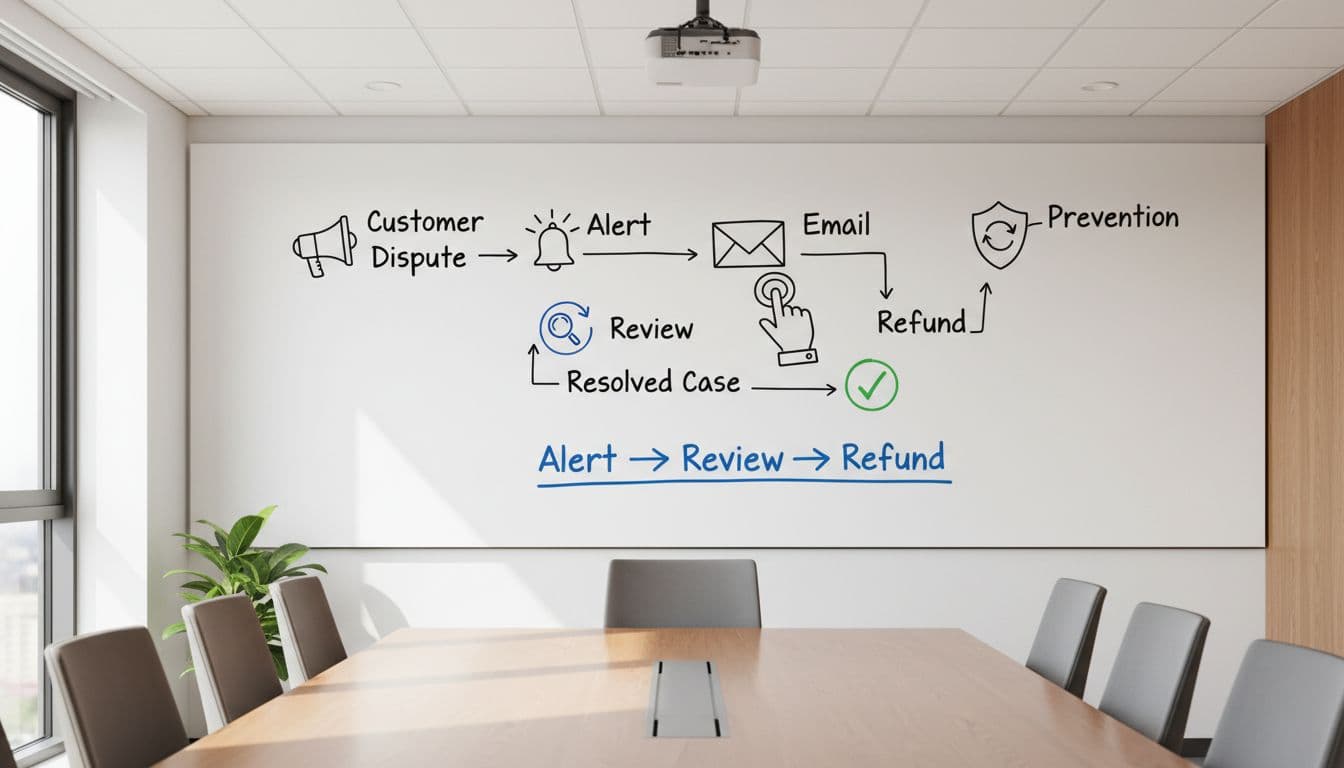
Even well-run billing systems miss some cases. A customer may still call the bank before contacting support. When that happens, alert programs become the difference between a quick refund and a formal chargeback.
This is where Chargebase fits. Chargebase is chargeback prevention software for e-commerce and SaaS companies, and it can help many businesses reduce chargeback volume before disputes turn into network cases. It connects merchants to programs such as Verifi and Ethoca, including Verifi Rapid Dispute Resolution, so teams can act during the short window when a refund still stops the chargeback.
 Review -> Refund’.” />
Chargebase’s model is practical for Stripe billing teams. Setup is light, rules can be automated, and alerts arrive in real time when action still matters. If a case matches your policy, the platform can trigger a refund, stop access, and close the loop without a long manual review. That matters because alert windows are short, often measured in hours, not days.
For merchants that want lower ratios, this is often the missing layer. Chargebase also supports pay-per-alert pricing, which keeps costs tied to saved disputes rather than vague software seats. If you want a deeper look at how early alerts help keep ratios down, its docs on strategies for lowering chargeback ratios explain why catching a case before it becomes a network chargeback changes the math.
Conclusion
One disputed renewal is annoying. A pattern of disputed renewals becomes a revenue problem.
The strongest 2026 setup starts with clear billing, then adds fraud screening, and finally uses early alerts to stop the cases that slip through. Stripe gives you strong tools, but the merchants with the lowest dispute pain usually pair those tools with alert automation from platforms like Chargebase. That is how chargeback prevention stays ahead of the bank, instead of reacting after the damage is done.
You might also want to read
Chargeback Management & Software Overview
Dec 31, 2025
Chargeback Analytics & Reporting
Jan 02, 2026
Chargeback Management & Software Overview
Jan 13, 2026