
Renewal Reminder Emails That Cut Subscription Chargebacks
Apr 25, 2026
A lot of subscription chargebacks start with one small problem: the customer didn’t expect the bill.
If you run recurring payments, that surprise can cost more than a refund. It can raise dispute ratios, add support work, and put pressure on your payment stack. Renewal reminder emails help because they give customers a clear heads-up before frustration turns into a bank claim.
Why surprise renewals become disputes
Most renewal-related chargebacks are not fraud. They’re confusion.
A customer forgets an annual plan is due. Someone doesn’t recognize the billing descriptor. Another person meant to cancel, but couldn’t find the link quickly. When that happens, the bank often feels easier than your support queue.
That’s why reminder emails work so well. They remove surprise before the charge lands. They also give customers time to pause, cancel, update a card, or ask a question. In chargeback reduction methods for subscriptions, one of the clearest recommendations is simple: warn customers before billing, and make the message easy to act on.
Good reminder emails don’t try to sell. They try to prevent confusion.
This also ties into cancellation. A reminder without an easy off-ramp can still create disputes, because the customer feels trapped. A clean cancel flow that minimizes chargebacks lowers that risk. When people can leave without friction, they are less likely to call the issuer.
The reminder should also match what the customer sees elsewhere. Use the plan name they know. Use the brand name that appears on the statement. If your descriptor looks different from your website name, say that plainly. Small gaps in wording create a lot of “What is this charge?” disputes.
Timing matters more than frequency
Send a renewal email too early, and people forget it. Send it too late, and it feels sneaky. Most subscription teams do better with a short schedule that fits the billing cycle and price point.
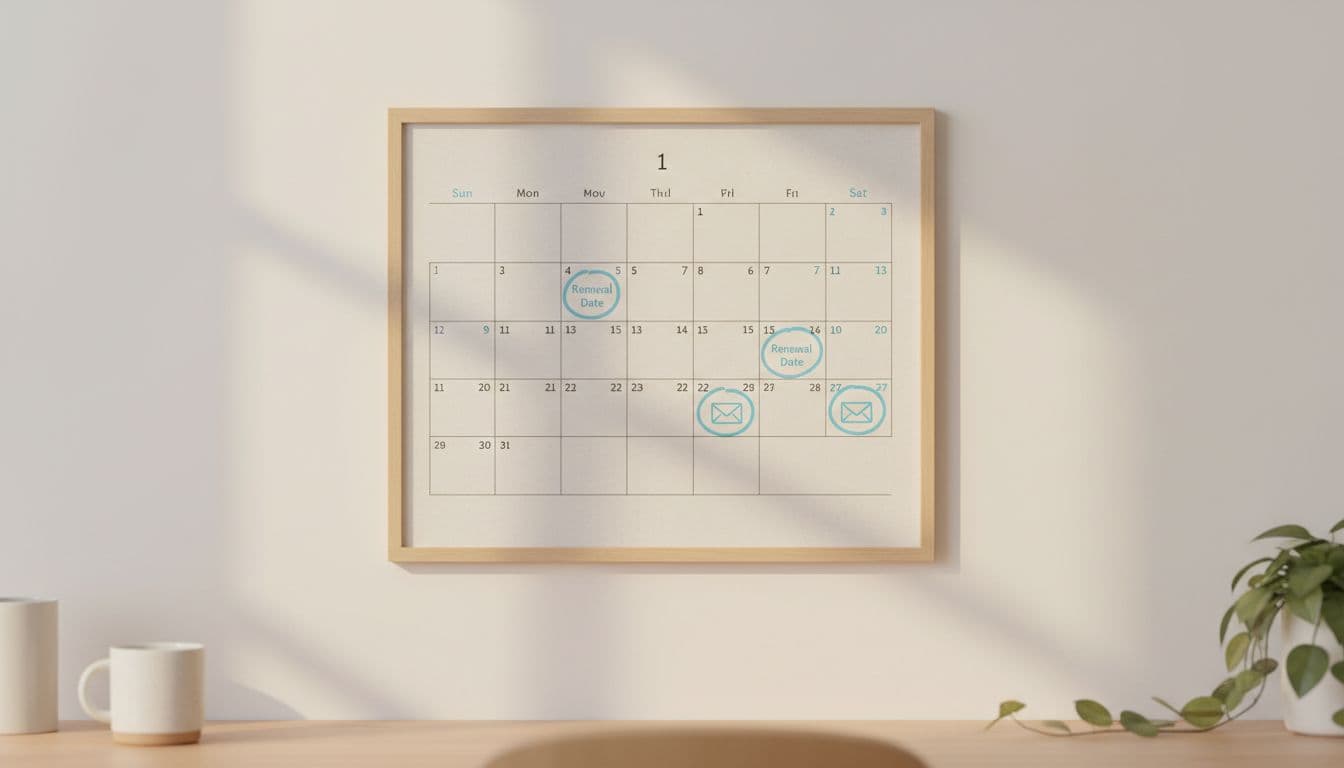
This simple schedule works for many recurring businesses:
| When to send | Best for | What to include |
|---|---|---|
| 14 days before | Annual plans, higher-ticket renewals | Renewal date, amount, plan, manage link |
| 5 to 7 days before | Most monthly and quarterly plans | Billing date, payment method, cancel or pause option |
| 1 day before | High-risk or higher-value accounts | Short reminder, support contact, last chance to update details |
| Right after renewal | All plans | Receipt, descriptor, next renewal date |
The main goal is clarity, not volume. One strong email often beats three weak ones.
Your best reminder email should open with the facts. Put the renewal date and amount near the top. Name the plan. Show the last four digits of the card if your system allows it. Add a direct link to manage billing, not a maze of account pages. Then finish with a real support address that accepts replies.
Card issues matter too. If an expiring card causes a failed renewal, many systems retry the charge. That can confuse customers and create duplicate-charge complaints. A short card-update message before the renewal date helps. Cleeng’s dunning best practices recommends sending a card-expiry reminder ahead of billing, which can reduce failed payments and the disputes that follow repeated attempts.
Tone matters as much as timing. Keep the copy plain and calm. Customers should never feel tricked by a reminder email. A subject line like “Your annual plan renews on May 12” works better than vague marketing language. This is an account message, not a campaign blast.
After the charge goes through, send a receipt right away. That follow-up closes the loop. It also gives the customer one more clean record of what happened, when it happened, and how to get help.
Email works best when it’s backed by chargeback prevention software
Even a well-timed reminder won’t catch everyone. Some customers ignore inboxes. Others go straight to the bank. So recurring billing teams need a second layer after email.
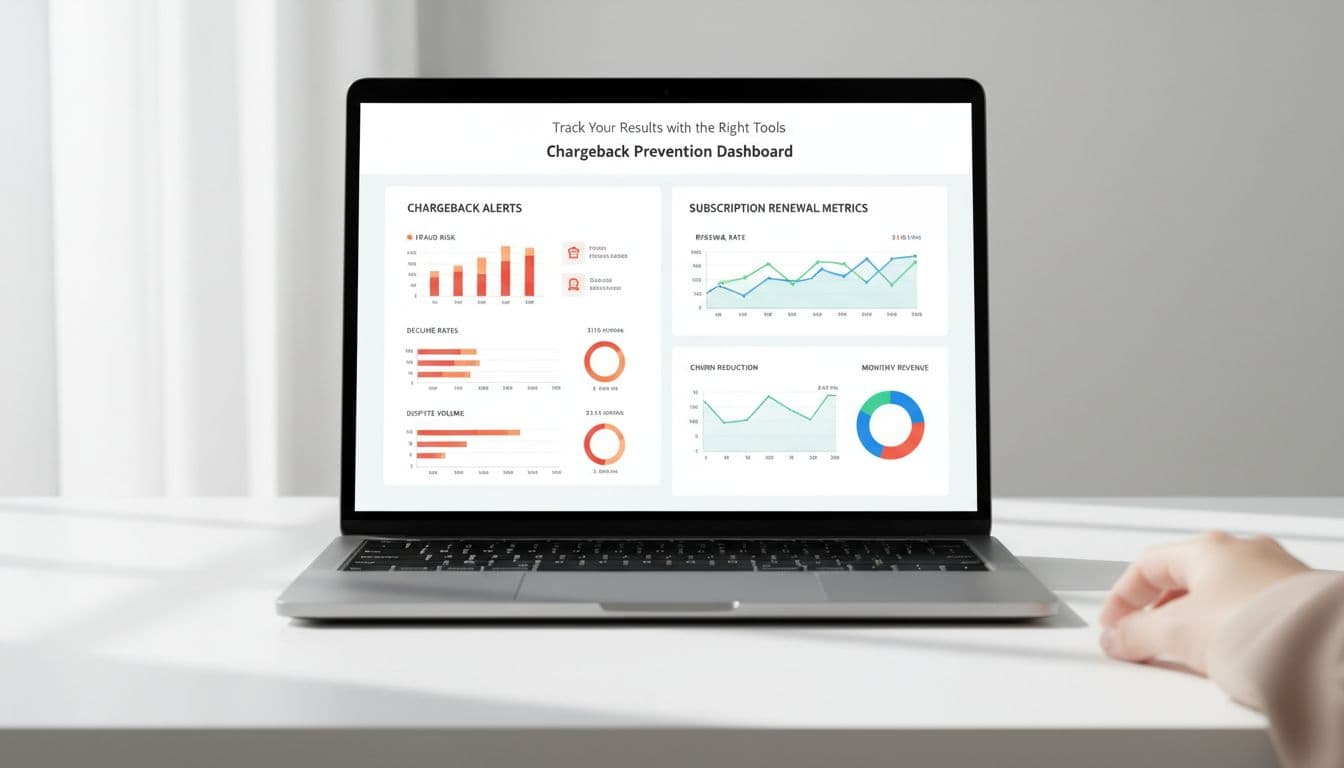
Chargebase is chargeback prevention software built for e-commerce and SaaS companies that want fewer disputes. It connects payment providers with a no-code setup, then helps merchants catch issues before they turn into chargebacks. For subscription businesses, that matters because a reminder email may prevent the first wave of confusion, while Chargebase helps stop the cases that still reach the issuer.
The platform works with programs from Ethoca and Verifi, including RDR and CDRN. Those programs let merchants react early through alerts and pre-dispute workflows. Chargebase also supports real-time alerts, more than 10 automation rules, and a pay-per-alert model. That means teams can set rules around refunds and responses without adding more manual work. Different networks support different paths, with RDR focused on auto-refund flows, while other alert programs can support manual or rule-based action.
Speed is the big advantage. If a customer disputes a renewal anyway, early alerts give you a chance to refund, cancel future rebills, and stop escalation. Chargebase explains this well in its guide with tips to lower chargeback rates and its overview of Verifi CDRN alerts for prevention.
For most companies, the right setup is not email alone and not software alone. It’s both. Reminder emails reduce surprise. Alert tools reduce the damage when surprise still slips through.
Conclusion
A subscription chargeback often starts long before the bank gets involved. It starts when the customer feels confused, rushed, or ignored.
The fix is usually more clarity, not more pressure. Send renewal reminders at the right time, make them easy to understand, and give customers a clean path to cancel or update billing. Then back that up with software like Chargebase, so missed reminders don’t turn into preventable disputes.
You might also want to read
Chargeback Management & Software Overview
Dec 31, 2025
Chargeback Analytics & Reporting
Jan 02, 2026
Chargeback Management & Software Overview
Jan 13, 2026