
BNPL Disputes For Merchants In 2026: Risks And Fixes
Apr 13, 2026
BNPL can lift conversion, but one bad dispute can erase the gain fast. In 2026, merchants face a sharper mix of friendly fraud, refund pressure, and tighter rules.
The payment option still matters because it helps sales and average order value. But the same smooth checkout can create messy post-sale problems, especially when providers, issuers, and your own teams all touch the same case.
That makes BNPL disputes a margin problem, not only a support problem.
Why BNPL disputes are climbing in 2026
BNPL still boosts conversion and basket size. Yet the same ease that helps checkout also creates more post-sale friction. Recent 2026 payments reporting shows chargebacks are growing about four times faster than ecommerce sales, and online purchases are far more dispute-prone than store purchases.
For merchants, BNPL disputes often start with small orders. A low-cost fashion item, a refill subscription, or a late holiday gift can trigger the same manual work as a much larger order. That math hurts margins fast.
Another pressure point is friendly fraud. Some buyers receive the item, then file “item not received” or “not as described” after regret sets in. Seasonal spikes make it worse. Post-holiday months still bring delayed shipping complaints, duplicate refund claims, and forgotten recurring charges, as shown in this 2026 holiday chargeback report.
Rules are also moving. In the US, BNPL products face more credit-like scrutiny. In Europe, affordability checks and disclosure rules are getting tighter. So merchants need cleaner records, faster refunds, and better case handling, not only higher approval rates.
If you need a quick refresher on the wider dispute process, these chargeback basics help frame where BNPL fits.
What makes BNPL disputes different from card chargebacks
A normal card dispute is already messy. BNPL adds another hand to the rope. The customer deals with the merchant, the merchant ships the order, and the BNPL provider sits in the middle of the payment flow. When something breaks, evidence can live in three systems instead of one.
That matters because many BNPL disputes are not pure fraud cases. They blend support, returns, billing, and fulfillment. A buyer may miss a payment, forget the merchant name, or expect a return to stop future installments right away. If your refund posts late, the dispute can arrive anyway.
This quick comparison shows the extra friction:
| Part of the case | Standard card dispute | BNPL dispute |
|---|---|---|
| Payment relationship | Merchant and issuer | Merchant, provider, and issuer |
| Common trigger | Fraud or service issue | Returns, installment confusion, or late refund |
| Best evidence | Authorization and delivery proof | Delivery, refund timing, and provider logs |
Because BNPL merchant fees can already run higher than standard card fees, every avoidable dispute cuts deeper. Put simply, BNPL disputes punish gaps between teams. Support may promise a refund. Operations may still ship replacement stock. Finance may not sync the reversal with the provider fast enough.
For a deeper merchant view, BNPL chargebacks explained lays out how installment plans change evidence and deadlines.
How merchants should handle BNPL disputes in 2026
The best response starts before the case arrives. Keep order data, delivery scans, customer messages, login history, and refund timestamps tied to one transaction ID. Then your team can act in minutes instead of hunting through inboxes.
Speed beats paperwork. A strong response filed late still loses.
Most merchants do well with a simple playbook. First, match the dispute to the exact order, payment plan, and customer record. Next, check the story against tracking, usage logs, cancellation requests, and prior refunds. Then decide fast whether to refund, stop shipment, cancel service, or fight the claim. Last, send that same decision to the BNPL provider, gateway, and support team.
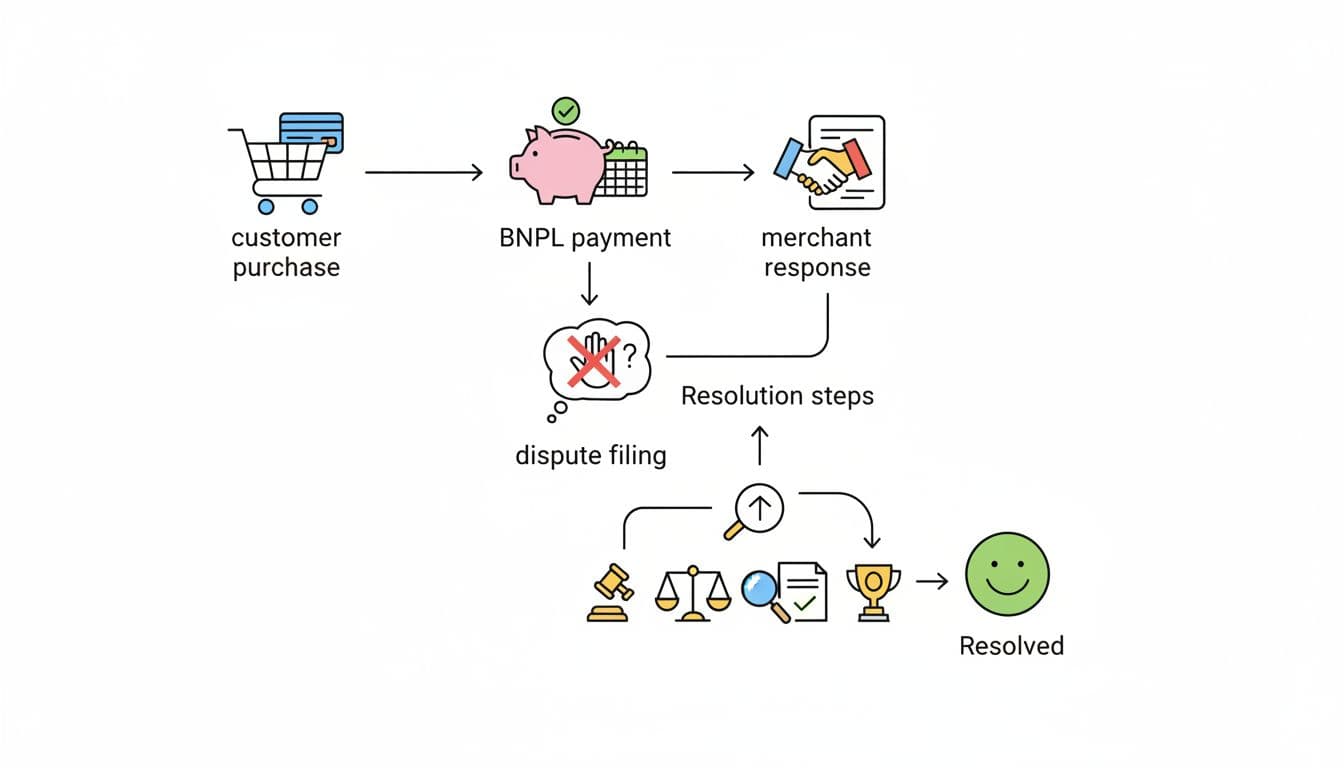
If the value is low, refunding early often costs less than contesting the case. If the claim is false, send complete evidence fast. Good proof usually includes delivery confirmation, product details, return policy, billing terms, and clear customer communication.
The goal isn’t to win every case. It’s to keep ratios low and stop avoidable disputes before they become network chargebacks. This guide on how to keep chargeback rates low is useful if your volume is rising.
Tools and tech that prevent BNPL disputes
Manual work doesn’t scale once dispute volume rises. Merchants need early-warning tools that catch complaints before they harden into chargebacks. Programs like Ethoca, Verifi CDRN, and Visa RDR help by sending alerts or auto-resolving eligible cases before they hit your ratio.
Some tools support manual refunds, while others are built for auto-refund flows. That difference matters. If you sell low-ticket goods or subscriptions, automation can save hours each week. If you sell high-margin items, you may want a review step first. A broader chargeback management guide for 2026 shows why this now belongs in core payments ops, not a back-office afterthought.
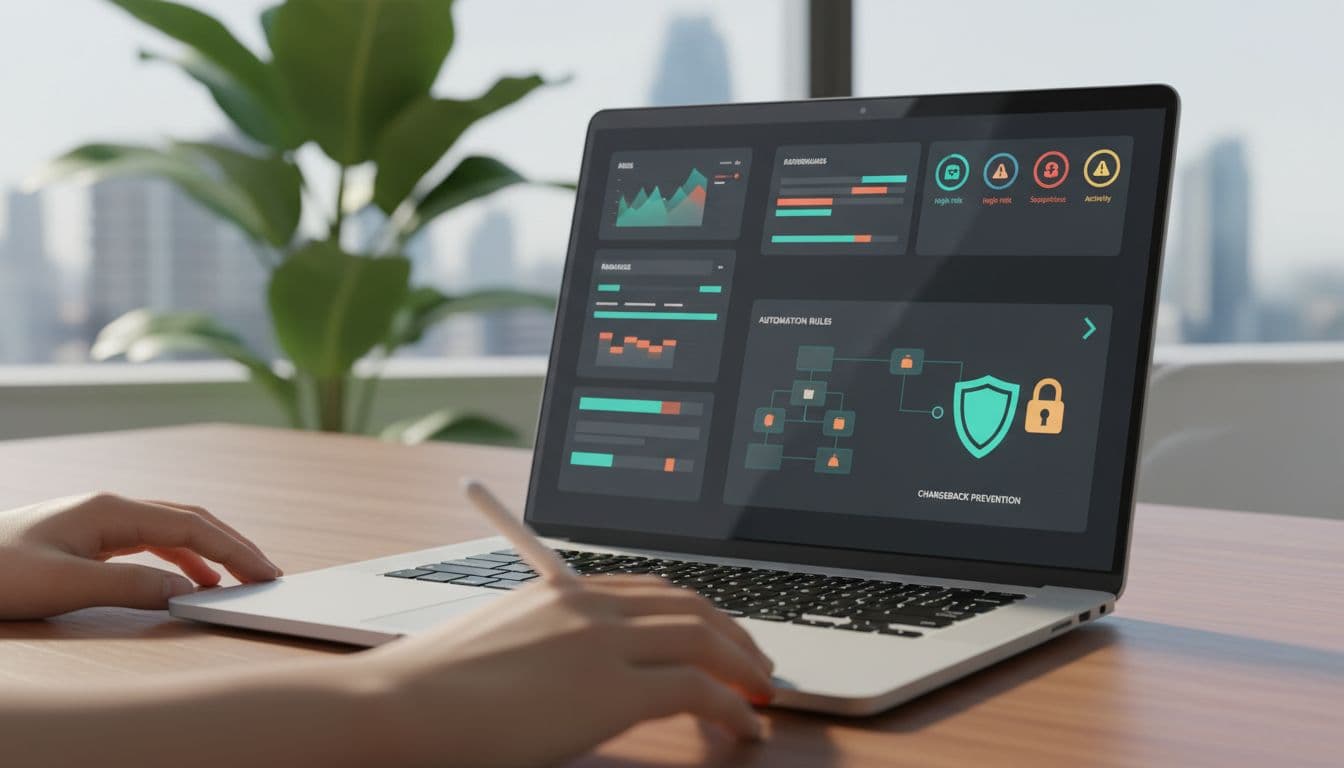
This is where Chargebase fits. It’s chargeback prevention software for e-commerce and SaaS merchants that helps reduce disputes before they turn into full chargebacks. The platform connects to payment providers quickly, uses real-time alerts, and supports automation rules so teams can act early instead of waiting for a formal case. Because Chargebase works with tools such as Ethoca, Verifi’s CDRN, and RDR, merchants can refund early, automate selected cases, and use a pay-per-alert model that lines up cost with results. If you want a plain-English look at alert programs, this guide to Ethoca alerts for merchants is a helpful starting point.
BNPL can still be worth it. But in 2026, profit depends on what happens after checkout, not only at checkout.
Merchants that control BNPL disputes close the gap between support, payments, and fulfillment. When a buyer can split a payment in seconds, your dispute process has to move just as fast.
You might also want to read
Chargeback Management & Software Overview
Dec 31, 2025
Chargeback Analytics & Reporting
Jan 02, 2026
Chargeback Management & Software Overview
Jan 13, 2026