
False Declines vs Fraud Losses for Ecommerce Teams
Apr 14, 2026
The costliest payment mistake often looks harmless. A fraud rule blocks a real customer, the dashboard stays quiet, and the sale disappears.
That silent loss is why false declines in ecommerce deserve as much attention as fraud. If your team only tracks chargebacks and stolen-card losses, you’re likely missing the bigger leak in revenue. Let’s look at where the real damage shows up, and how to cut both fraud and chargebacks without turning good buyers away.
Why false declines can cost more than fraud
Fraud gets attention because it’s easy to see. You ship a bad order, lose the goods, pay fees, and maybe eat a chargeback. False declines are harder to spot because the customer often leaves without saying a word.
Yet the numbers are hard to ignore. Recent market data shows merchants in the US, UK, France, and Germany lost about $50.7 billion to false declines, while global card fraud losses reached $33.41 billion in 2024. In plain terms, many merchants lose more from blocking good customers than from letting bad ones through. A recent analysis of false declines in ecommerce makes that gap clear.

The hidden damage goes beyond one missed order. You also lose the marketing spend that brought that shopper in. Then you lose repeat purchases, future subscriptions, and referral value. If the customer thinks your checkout is broken, they may not come back at all.
Payment teams feel this pressure every day. Around 2.6% of orders are declined for suspected fraud, and many of those buyers are legitimate. At the same time, 2026 reporting from PYMNTS on merchants losing sales to false declines found that 47% of merchants say false declines are costing them revenue.
A blocked good customer doesn’t only hurt today’s conversion rate, it can erase the lifetime value of a future loyal buyer.
That makes the real trade-off clear. Fraud loss is painful, but false declines often create a wider, quieter form of loss that finance, fraud, and growth teams rarely view in one place.
Why ecommerce teams often over-correct on fraud
Most fraud systems get judged on one simple question: did they stop bad transactions? That sounds fair, but it creates a blind spot. Teams tighten rules to reduce fraud, then celebrate lower loss rates while approval rates slip.
Part of the problem is measurement. Fraud appears in dispute reports and write-offs. False declines show up as lower conversion, weaker authorization rates, or abandoned carts. Those metrics often sit in different tools, owned by different teams.
This quick comparison shows why the wrong scorecard leads to the wrong decision:
| Issue | Easy to measure | Often missed |
|---|---|---|
| Fraud loss | Chargebacks, refunds, stolen goods | Long-term trust damage |
| False declines | Harder to isolate | Lost sales, churn, wasted ad spend |
| Friendly fraud | Disputes after purchase | Support time, higher chargeback ratio |
As a result, checkout rules often become too blunt. A returning customer gets blocked because they used a new device. A subscription renewal fails because the issuer dislikes the pattern. A large but legitimate order trips a velocity rule. Cross-border buyers also get hit when filters treat unusual geography as automatic risk.
There’s another layer. Some payment failures aren’t fraud at all. They come from issuer declines, step-up authentication friction, or poor retry logic. Good teams separate those causes instead of dumping them into one “declined” bucket. These payment failure benchmarks are useful because they show how many losses are fixable once you break the problem apart.
Meanwhile, tough fraud settings can push chargebacks up later. Frustrated buyers may try again, forget the first attempt, or dispute a confusing second charge. So a system meant to stop fraud can still create downstream dispute risk.
How to reduce false declines without opening the door to more fraud
The best teams stop treating approvals and fraud as separate goals. They build a payment flow that approves more good orders, steps up review only when needed, and catches disputes before they turn into chargebacks.
Start with segmentation. New customers, repeat buyers, subscriptions, high-value carts, and digital goods should not all face the same rules. Then review soft declines and hard declines separately. Soft declines may recover with smart retries, a different payment method, or better customer prompts. Hard declines need a different path.
Next, look past raw decline rate. Track issuer approval rate, fraud-screen rejection rate, manual review pass rate, dispute rate by cohort, and customer lifetime value after a flagged transaction. Those numbers show whether your fraud controls are helping or quietly reducing profit.
Chargebacks also deserve early action, not late cleanup. Chargebase is a chargeback prevention software company built for ecommerce and SaaS merchants that want to reduce dispute volume before it turns into lost revenue. It connects merchants to alert programs such as Ethoca, CDRN, and RDR, then uses real-time alerts and rule-based automation to help teams refund fast and stop many disputes before they become chargebacks. Because the workflow is largely automated and priced per alert, it can fit companies that want a simple way to lower dispute volume without a long setup.
If your ratios are already climbing, this guide on how to keep chargeback rates low explains why early alerts matter so much.
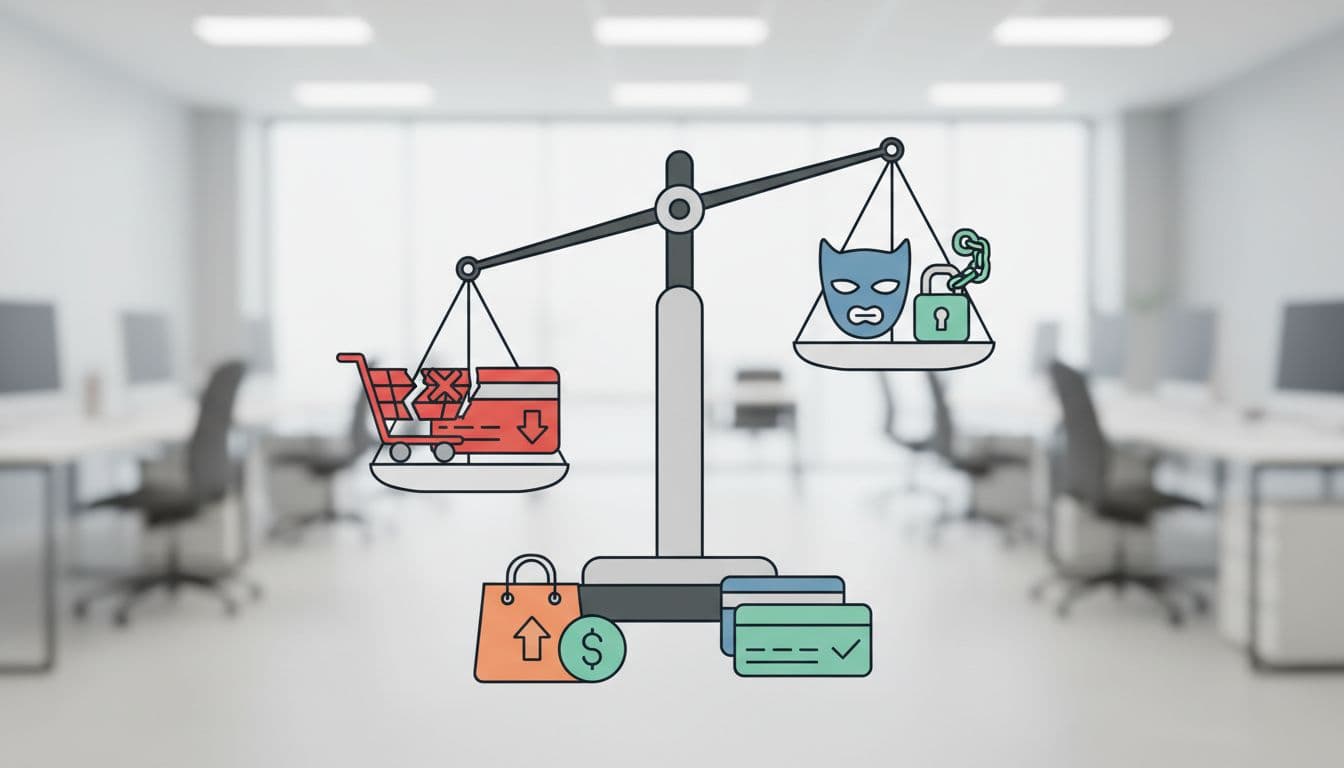
Simple checkout fixes help too. Use clear billing descriptors. Send order and delivery confirmations quickly. Apply 3DS where it makes sense, not as a blanket rule. Give trusted customers smoother paths, and route edge cases to review instead of automatic rejection.
The goal isn’t to approve everything. It’s to stop bad orders while protecting good revenue.
The safest checkout is not the one with the most declines. It’s the one that catches real fraud, approves real customers, and prevents disputes before they land as chargebacks.
When ecommerce teams balance those three goals together, false declines stop being invisible, and profit gets easier to protect.
You might also want to read
Chargeback Management & Software Overview
Dec 31, 2025
Chargeback Analytics & Reporting
Jan 02, 2026
Chargeback Management & Software Overview
Jan 13, 2026