
Order Confirmation Emails That Cut E-commerce Chargebacks
Apr 28, 2026
Chargebacks often start with a small gap in trust, not a stolen card. When buyers don’t see a clear record of the purchase, they may assume something went wrong and go to their bank.
That makes order confirmation emails one of the cheapest ways to reduce avoidable disputes. Get this message right, and you calm buyers, cut support friction, and create a clean record of the sale.
Why the first post-purchase email matters so much
An order confirmation email lands at the most fragile moment in the sale, right after money leaves the customer’s account. If that message is late, vague, or missing, doubt fills the gap. People then choose the path that feels safest, and that often means calling the bank.
These emails do more than confirm payment. They remind the buyer what they purchased, what they paid, and what happens next. As Braze’s guide to confirmation email best practices explains, clear transactional emails reduce friction because they set expectations right away.
When buyers can see the item, price, delivery plan, and support path in one place, they’re less likely to treat a normal order issue like fraud.
Clear confirmation emails also help when a dispute does happen. They create a time-stamped record of the sale, the amount charged, and the fulfillment plan. That matters because chargeback timelines and stages move quickly, and merchants often have a short window to resolve an issue before it becomes a formal chargeback.
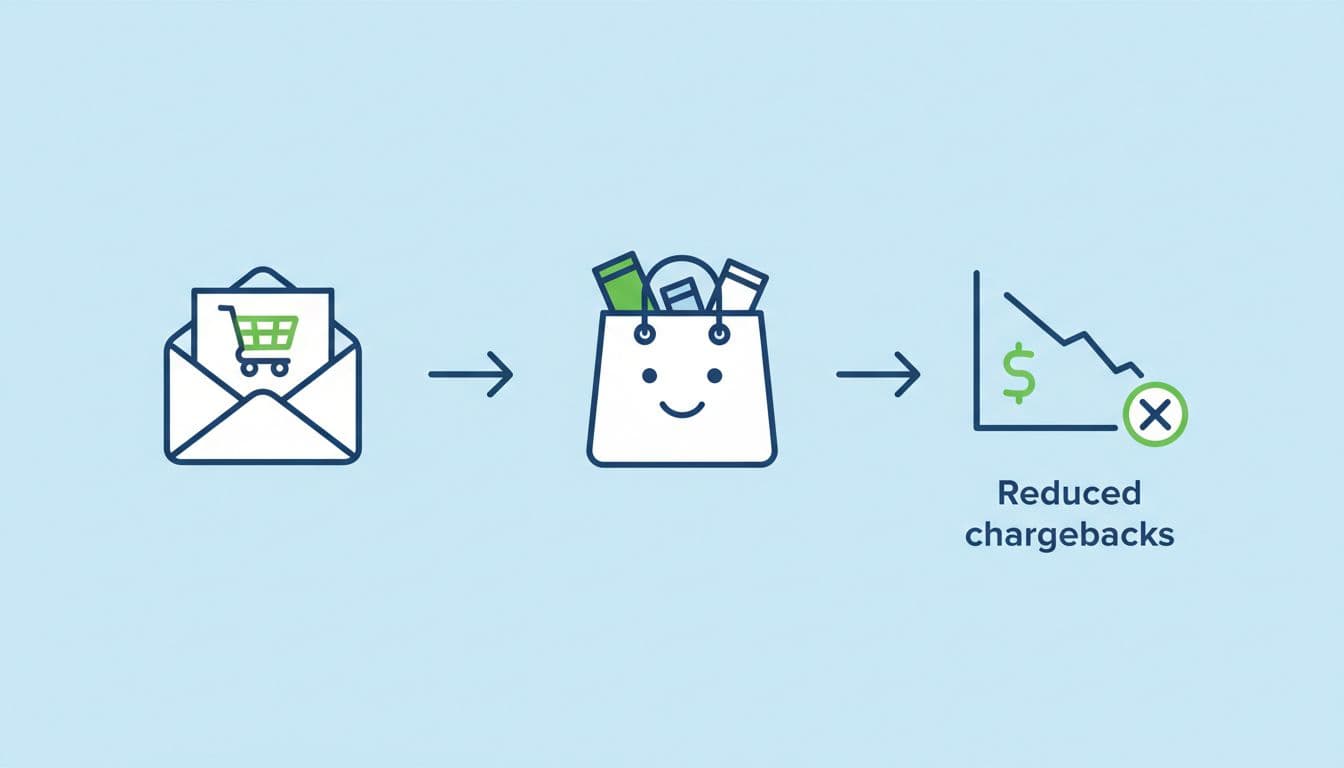
The biggest gains often come from plain clarity. Use the same brand name customers will later see on their card statement, or explain the billing descriptor in the email. Put your support email, help link, or phone number near the top. If a buyer can reach your team in 30 seconds, they’re far less likely to start with the issuer.
What a chargeback-resistant confirmation email should include
A good confirmation message answers the buyer’s first questions in seconds. It doesn’t need flashy design. It needs clear facts, clean formatting, and obvious next steps.
This quick table shows the pieces that do the most work:
| Email detail | Why it helps |
|---|---|
| Order number, date, and item names | Confirms the purchase worked and refreshes memory |
| Total charged, tax, currency, and billing name | Makes the card statement easier to recognize |
| Shipping timeline or access details | Lowers anxiety after checkout |
| Support contact and reply window | Gives buyers a faster path than the bank |
| Return, refund, or cancel link | Solves buyer regret before it turns into a dispute |
The main takeaway is simple: reduce confusion before it has time to grow.
Many brands miss this because they write for their internal system, not for the customer. Long product codes, vague item labels, and “no-reply” senders create distance. GetResponse’s confirmation email examples show how much stronger these emails get when the message is plain, quick to scan, and easy to act on.
For physical goods, include the shipping address, delivery estimate, and tracking expectations. For SaaS or digital goods, add the plan name, login steps, renewal terms, and next billing date. Chargebase’s guide on how to keep chargeback rates low points to the same basics: clear descriptors, order emails, delivery updates, and fast refunds when needed.
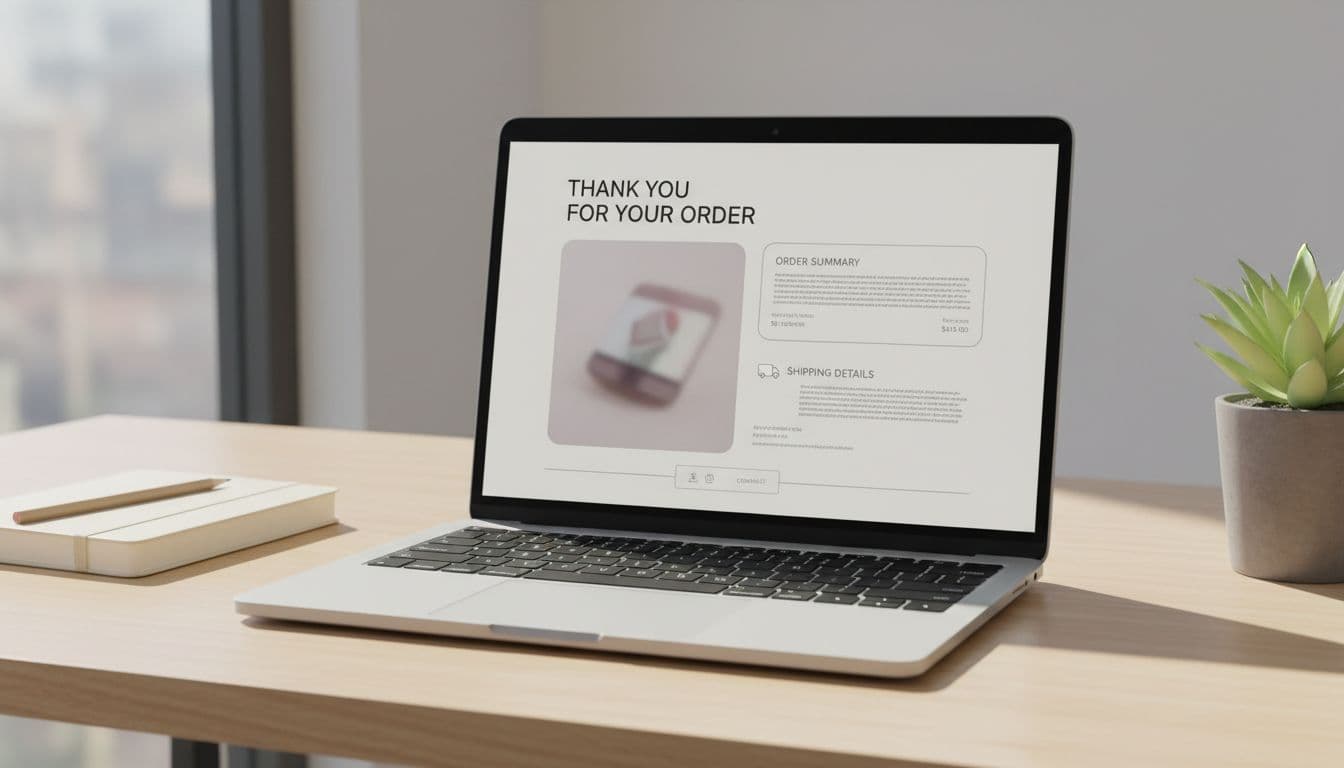
Keep the tone calm and direct. This isn’t the place for a big upsell block or a cluttered footer. A strong confirmation email works best when it answers the customer’s first five questions before they ask them.
Pair strong emails with chargeback prevention software
Email can reduce confusion, but it can’t stop every dispute. Some cardholders skip support and go straight to the issuer. High-volume merchants need a second layer that catches those cases early.
That’s where Chargebase fits. Chargebase is chargeback prevention software for e-commerce and SaaS companies that want fewer disputes and less manual work. The platform connects to your payment provider with a no-code setup, often in about two minutes. Then it uses global merchant data and programs such as Ethoca, Rapid Dispute Resolution (RDR), and Cardholder Dispute Resolution Network (CDRN) to spot disputes before they harden into chargebacks.
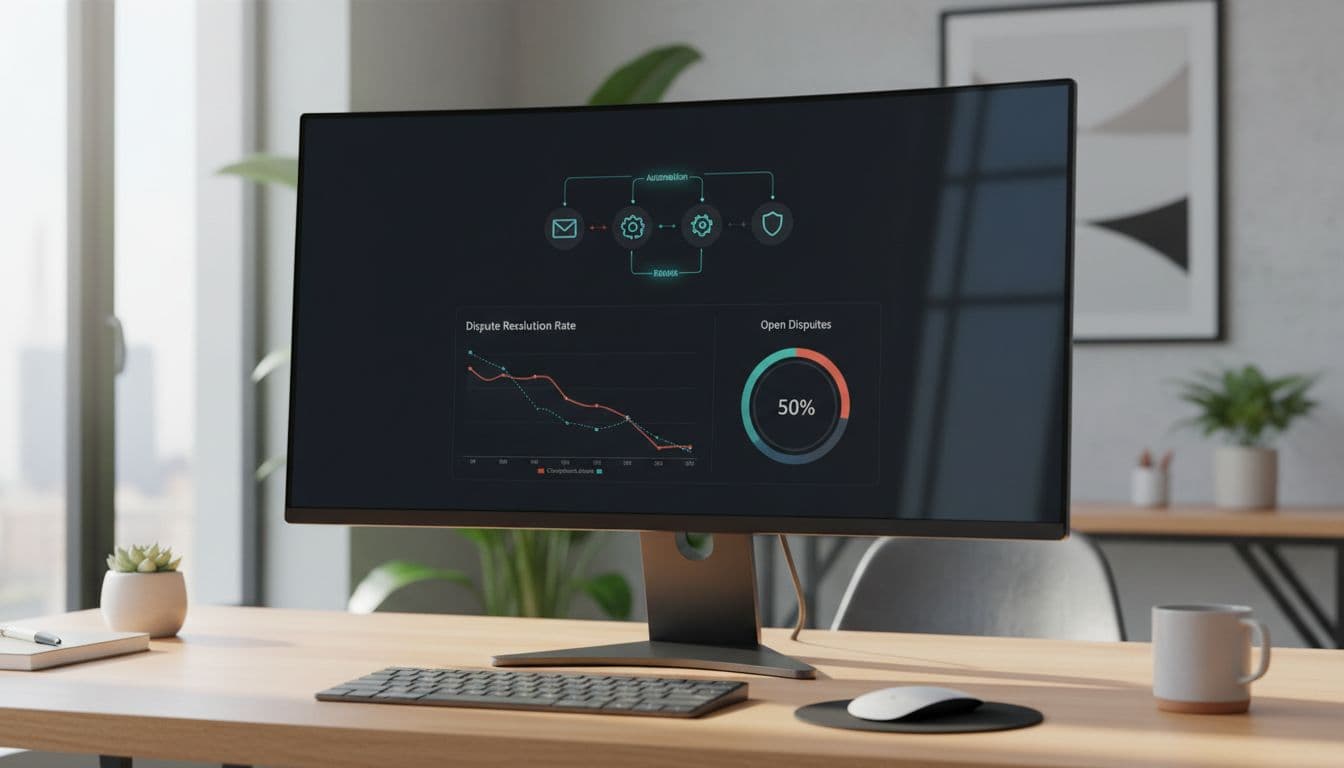
When an alert can still stop the case, Chargebase sends it in real time. Merchants can refund, stop shipment, cancel future access, or apply one of more than 10 automation rules, depending on their policy. That helps teams move faster without building a large dispute operations function. The pricing model is also simple: pay per alert, so costs stay tied to actual prevention activity.
If you want a better sense of issuer alert networks, Chargebase’s page on how Ethoca helps stop chargebacks is a useful place to start. The broader pattern is clear. A well-built confirmation email reduces confusion at the front end, and alert tools catch the disputes that still slip through. Chargeback.io’s merchant checklist also highlights the same link between clear order emails, status updates, and lower dispute volume.
Final thoughts
Most avoidable chargebacks begin with uncertainty. Buyers don’t recognize the charge, don’t know when the order will arrive, or can’t find help fast enough.
That’s why order confirmation emails deserve more attention than they usually get. When the message is immediate, clear, and matched to the card statement, it cuts off doubt before it turns into a bank dispute. Add chargeback prevention software like Chargebase for the cases email can’t catch, and you give customers a better option than calling their bank.
You might also want to read
Chargeback Management & Software Overview
Dec 31, 2025
Chargeback Analytics & Reporting
Jan 02, 2026
Chargeback Management & Software Overview
Jan 13, 2026
Chargeback Prevention & Fraud Reduction
Jan 26, 2026